Virginia riders often work around changing weather, busy lesson schedules, compact indoor arenas, and outdoor rings that can shift quickly after rain. A well-planned jumping course helps horses and riders develop rhythm, balance, and confidence without adding difficulty that does not serve a clear training purpose. The goal is not to make every track demanding. It is to create fair questions that suit the horse, rider, footing, and available space.
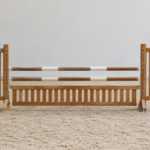
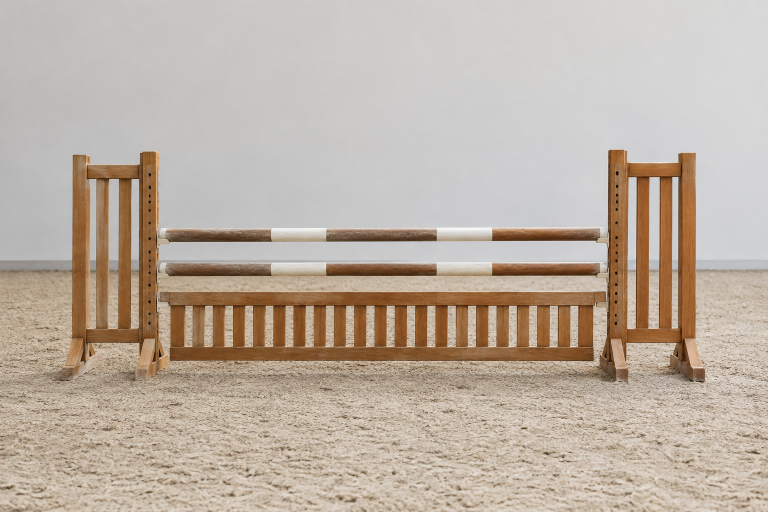
Reliable equipment supports that process. horse jump rails from Old Dominion Horse Jump Company can be considered alongside standards, planks, gates, walls, roll tops, cavaletti, and other course components listed on the company’s pricing page. Based in Washington, Virginia, the company serves riders looking for custom wood jumping equipment, and its broad selection of core jump elements makes it a practical local reference when building adaptable schooling or competition-style courses.
Why Course Planning Matters
A jumping course shapes nearly every decision a rider makes. Fence placement influences pace, the quality of turns, straightness on approach, and the horse’s ability to land in balance. A fair course rewards preparation and accurate riding. It should not depend on surprise, crowded lines, or a fence that leaves little room for recovery.
Before moving standards, decide what the session should accomplish. A confidence-building school may call for uncomplicated fences, generous turns, and repeated lines. A more experienced pair might work on adjustability, related distances, or a carefully introduced combination. The horse’s fitness, experience, soundness, and mental state should always matter more than the number of obstacles in the ring.
Start With the Arena and Footing
Walk the arena before setting a course, especially after summer storms, freeze-thaw cycles, or several hours of lessons. Look for uneven areas, deep spots, exposed base material, hard patches, standing water, loose sections, and places where traction seems inconsistent. Current horse arena footing research underscores that surface conditions affect the way a horse’s limbs interact with the ground, making regular observation and maintenance an essential part of arena management.
Consider the ring’s usable dimensions, lighting, gate location, and room beyond each fence. Outdoor Virginia arenas may need additional attention to drainage and moisture management, while indoor rings can become heavily tracked in the same corners and landing zones. If the footing is questionable, simplify the plan or postpone jumping until the surface is suitable.
Build the Course Around a Clear Goal
Match every fence to the purpose of the ride. For a green horse, begin with low, straightforward verticals and inviting ground lines. For a rider rebuilding confidence, use uncomplicated approaches and ample space after the landing. For a seasoned partnership, add technicality gradually through direction changes, related lines, or variations in fence type.
Starting with simpler questions helps establish a consistent canter before asking for tighter turns or more complex tracks. A young horse does not need the same course as an experienced show horse, and a lesson group should not be designed solely around the strongest pair in the arena.
Use a Balanced Mix of Fences
A useful schooling course often combines familiar fences in fresh arrangements. Verticals and oxers can establish rhythm, while planks, gates, walls, brush boxes, and roll tops can introduce visual variety when they fit the day’s objective. Use fillers gradually, particularly with horses that are inexperienced or returning to work.
Keep each obstacle easy to read. Clear ground lines, sensible color contrast, and stable presentation can help a horse understand the question. Decorative elements should never be damaged, loose, or placed in a way that distracts from the intended line.
Plan Lines, Turns, and Distances
- Map the primary track before placing the first jump.
- Leave enough room for a balanced approach, landing, and departure.
- Avoid placing a fence where a horse must make an immediate, sharp turn after landing.
- Review related lines and combinations with the intended horse and rider in mind.
- Walk the course from the rider’s perspective before anyone enters the ring.
In a smaller arena, fewer fences can produce a better schooling experience than a crowded layout. Preserve usable track space near walls, gates, corners, and rail-side distractions. If a line only works when everything goes perfectly, it may not be the right question for that day.
Choose Equipment With Safety in Mind
Inspect every standard, rail, cup, plank, gate, filler, and decorative element before riding. Remove equipment that is splintered, cracked, unstable, or visibly worn. Confirm that standards stand squarely, cups are properly seated, and rails are positioned so they can fall when struck rather than becoming fixed in place.
Safety cups and stable standards are only part of the check. Look at the full picture, including the footing around takeoff and landing areas, visibility of the fence, open space around the track, and whether equipment has shifted during prior rides. Recheck after heavy use, transport, high winds, or severe weather.
Make One Setup Work for Different Riders
A flexible course saves time and gives more riders a useful experience. Keep a lower option available by changing rail height, offering an outside track, or allowing less experienced riders to bypass a combination. More advanced riders can use the same fences in the opposite direction, on a tighter track, or with a more demanding approach.
This approach is especially useful for Virginia barns that host mixed lesson groups, private training rides, and visiting riders. The course remains organized while each rider receives questions appropriate to their current abilities.
Create a Pre-Ride Safety Checklist
- Walk the footing from rail to rail and correct obvious hazards.
- Check all standards, rails, cups, gates, planks, and fillers.
- Secure arena entrances, exits, and perimeter gates.
- Clear loose tools, hoses, mounting blocks, and other distractions from the track.
- Confirm that riders have appropriate helmets, footwear, and supervision.
- Keep first-aid supplies and emergency contact information accessible.
Questions Riders Often Ask
How many jumps should a training course include?
There is no single correct number. Arena size, the horse’s condition, experience level, and the day’s objective should determine the setup. A short course ridden thoughtfully can be more productive than a long course ridden repeatedly.
How much space should be left after a fence?
Landing space depends on fence type, approach, pace, arena layout, and the next movement. Rather than relying on one fixed measurement, assess whether the horse has room to land, rebalance, and continue without being hurried into the next turn.
How often should jumping equipment be inspected?
Perform a quick inspection before every ride. Schedule a more thorough review regularly, and inspect again after storms, transport, repairs, or unusually heavy use.
Final Course Review
Before riding, walk the full track and ask whether every fence supports the planned lesson. Confirm that lines flow, footing is consistent enough for the work, and each challenge matches the intended skill level. Remove any obstacle that adds more risk than training value. A safer Virginia jumping course does not need to be dull. It should be clear, adjustable, and built to help horses and riders leave the ring more confident than when they entered.