Choosing a family vehicle is easier when the decision begins with real routines instead of a list of trendy features. School drop-offs, grocery runs, weekend sports, commuting, pets, road trips, and occasional carpools all create different needs. Before visiting a dealership or comparing listings, take time to identify what makes daily transportation easier for everyone in the household. learn more about available family-friendly options while keeping those everyday priorities in focus.
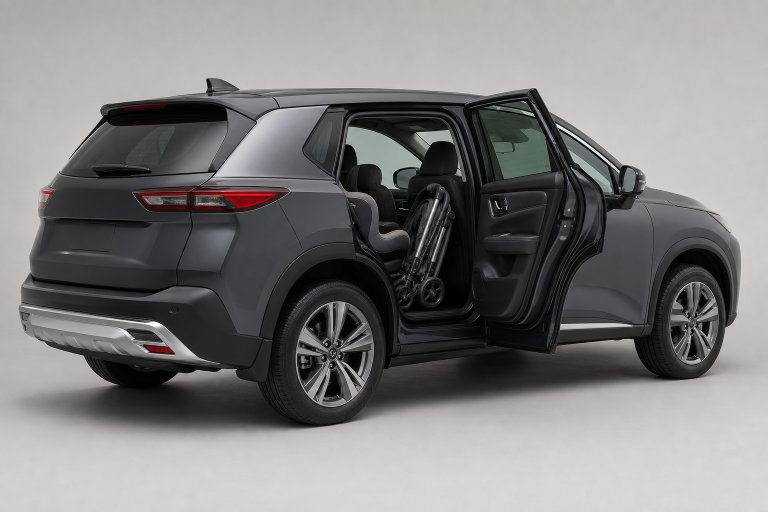
A vehicle that looks ideal in a showroom can become frustrating if its rear doors are difficult to open in a tight parking space, its third row is hard to reach, or its cargo floor will not hold a stroller and groceries at the same time. The strongest choice is usually the one that handles ordinary responsibilities comfortably while leaving reasonable room for changes in your family’s schedule.
1. Start With Daily Needs
Make a simple list of who rides in the vehicle during a typical week. Include children, regular adult passengers, grandparents, teammates, and pets. Then consider how much equipment comes along. A compact stroller, a double stroller, musical instruments, sports bags, work supplies, or a large dog crate can change the right answer quickly.
Think about where and how the vehicle will be used. City drivers may value easy parking and a tight turning radius. Families who regularly drive long highway distances may prioritize quiet cabins, supportive seats, and fuel economy. If towing a small camper, boat, or utility trailer is part of the plan, confirm the exact towing capacity for the specific trim and equipment package.
2. Compare Vehicle Types
Compact Cars
Compact cars can be affordable to buy, fuel, insure, and park. They may work well for smaller households with one child or older children, but rear-seat width and trunk openings can become limiting when bulky child seats or large gear are involved.
Crossovers And Two-Row SUVs
Two-row crossovers often provide a useful middle ground. They offer a higher seating position, flexible cargo areas, and easier entry than many sedans. Still, check rear-seat width carefully, especially if two car seats, a booster, or an adult passenger must fit across the second row.
 Three-Row SUVs And Minivans
Three-row SUVs suit larger families and regular carpools, although cargo room behind an occupied third row can be modest. Minivans are often especially practical because sliding doors simplify entry in narrow spaces, and low floors can make it easier for children to climb in independently. Do not dismiss either option until you have tested access with your own passengers.
3. Check Safety Before Style
Safety research should go beyond marketing language. Compare current crash-test information, standard equipment, headlight performance, visibility, and available active safety systems. The importance of strong crash protection and effective safety equipment is worth considering before choosing a lower-priced trim that omits useful features.
At a minimum, determine whether automatic emergency braking is standard, rather than optional. Also examine blind-spot monitoring, rear cross-traffic alerts, lane-departure warnings, and adaptive cruise control. Sit in the driver’s seat and test sight lines around the front pillars, rear window, mirrors, and backup camera. Alerts should be noticeable without being so intrusive that they distract the driver.
4. Test Car-Seat Fit
A spacious-looking cabin is not automatically easy to use with child seats. Bring the actual car seats and boosters your family uses, if possible. Install them in the positions you expect to use most often, then adjust the front seats for the tallest regular driver. Check that buckles remain reachable, doors open wide enough, and children can enter without climbing over another seat.
Review car-seat and booster-seat guidance before installation, and always follow both the vehicle owner’s manual and the child-seat manufacturer’s instructions. Locate the lower anchors and tether anchors before committing to a vehicle, particularly if multiple seats will be installed.
5. Measure Passenger And Cargo Space
Ignore maximum cargo-volume numbers until you see the space configured for normal use. Measure the area behind the seats that will usually remain upright. Load a stroller, grocery bags, backpacks, or sports equipment. In a three-row vehicle, test the cargo area with every passenger seat occupied, because folded-seat capacity may not help on busy family days.
Also, inspect small conveniences. Useful door pockets, cup holders, charging ports, underfloor storage, and accessible third-row entry can make a noticeable difference over the years of ownership. Make sure the rear-seat legroom works with the driver’s seat in its normal position.
6. Review Total Ownership Costs
The monthly payment is only one part of the budget. Compare the purchase price, financing charges, sales tax, registration, insurance, fuel or charging, maintenance, tires, likely repairs after warranty coverage, and expected resale value. Estimate these costs over the same ownership period for two or three vehicles.
A less expensive vehicle may cost more to insure or fuel. A higher-priced hybrid may reduce fuel spending for a long commuter route. Ask for an itemized out-the-door price, review the interest rate and loan term, and avoid focusing only on whether the payment fits a monthly target.
7. Consider Gas, Hybrid, And Electric Powertrains
Choose a powertrain based on driving patterns. Gas models can be convenient for frequent long trips and areas with limited charging. Hybrids can be attractive for regular stop-and-go driving. Electric vehicles may fit households with reliable home charging and predictable daily mileage. Consider weather, towing needs, battery warranty terms, and how often your family travels beyond the vehicle’s typical range.
8. Take A Smarter Test Drive
Turn the test drive into a real-world trial. Drive through a parking lot, make tight turns, merge onto a highway if practical, and listen for road noise. Test every door, seat adjustment, cargo opening, and infotainment control while parked. Bring another adult or regular rear-seat passenger so comfort is evaluated from more than the driver’s perspective.
9. Ask Final Questions Before Buying
Before signing, confirm which safety features are included on the exact trim, what the warranty covers, and what maintenance is due soon. For a used vehicle, check for open recalls, obtain a vehicle-history report, and arrange a professional inspection when possible. Finally, compare the chosen vehicle with a lower-priced trim or competing model. A careful final comparison helps ensure the vehicle remains useful long after the excitement of purchase day has passed.