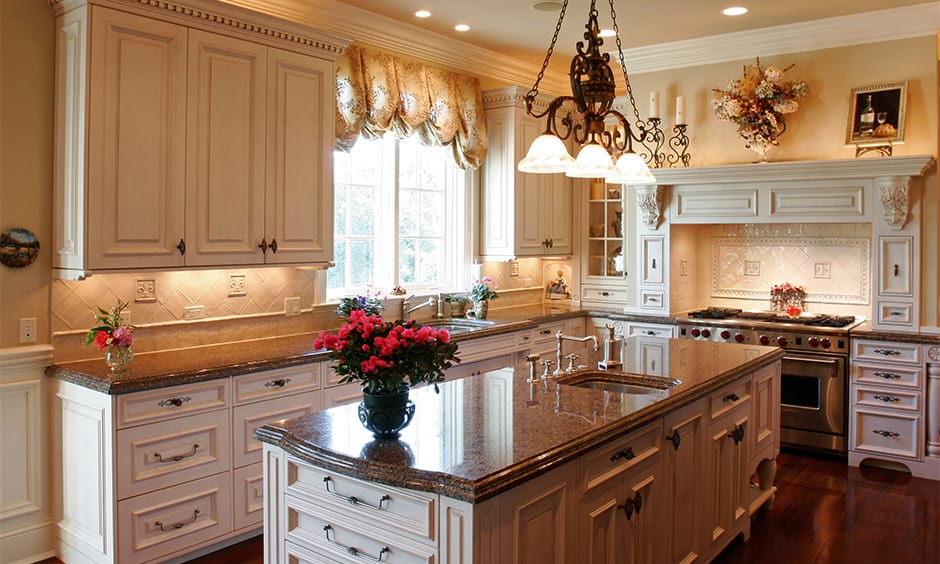
Granite can provide a durable, natural-looking surface in far more places than just a kitchen. From a bathroom vanity to a built-in desk, granite offers distinctive colour movement and a surface that meets both practical and decorative needs. For more information on granite applications, visit The Granite Guy. Every slab has its own variation in mineral pattern, shading, and veining. That individuality is part of the appeal, but it also makes it important to view a full slab before finalizing a layout, especially when a project includes seams, cut outs, or a prominent overhang. Although granite is often associated with kitchen countertops, it can also make sense wherever a home needs a sturdy, easy-to-wipe work surface with visual character.
Why Granite Works Beyond the Kitchen
Granite is an igneous rock composed primarily of minerals such as quartz, feldspar, and mica. In countertop applications, it is valued for its hard surface, heat tolerance, and natural variation. Still, it is not a zero-maintenance material. A suitable choice depends on the room, the slab’s characteristics, and the household’s cleaning habits.
The Best Rooms for Granite Countertops
Bathrooms
Granite vanity tops can provide a polished focal point around sinks and mirrors. Choose an edge that is easy to clean, and plan the faucet holes, sink style, backsplash height, and storage based on how the bathroom will be used.
Laundry Rooms
A granite counter can create a useful surface for folding clothes, sorting supplies, or treating stains. Mid-tone patterns may be practical in busy laundry areas because small marks and lint can be less noticeable between cleanings.
Home Bars and Beverage Stations
For a home bar, granite can pair well with cabinetry, open shelving, and undercounter appliances. Before fabrication, consider sink cut outs, ice makers, outlet placement, seating overhangs, and beverage service.
Home Offices
A stone desktop or built-in work surface can give an office a substantial, finished appearance. Highly polished dark slabs can show dust, fingerprints, and crumbs more readily, so the pattern and finish should suit the user’s tolerance for daily upkeep.
Outdoor Kitchens
Outdoor applications need additional planning. Sun exposure, rain, freeze-thaw conditions, cabinet materials, drainage, support, and grill placement should all be considered before selecting a slab and finish.
 Design Choices That Shape the Final Look
Colour, Pattern, and Finish
Light granite can help a compact room feel brighter, while darker stone can add contrast against light cabinets. Compare the actual slab with flooring, paint, hardware, and lighting whenever possible. Polished finishes reflect more light, honed finishes have a softer appearance, and leathered finishes add texture.
Edges, Seams, and Cut outs
An eased edge is simple and versatile, while rounded or bevelled profiles can create a more traditional look. Sink openings, corners, long runs, and cooktop cut outs may affect seam placement. Discuss visible seams and vein direction before fabrication begins, rather than treating them as an afterthought.
Daily Care and Cleaning Basics
A straightforward routine can help preserve the surface: wipe up spills promptly with a soft cloth, clean the area with warm water and a mild, stone-safe product, then dry the area. Use cutting boards for food preparation and trivets beneath very hot cookware. Avoid abrasive powders, rough scrubbers, acidic cleaners, and unapproved chemicals that could affect the surface or its protective treatment.
When Granite Needs Sealing
Granite does not follow one universal sealing schedule. Porosity, resin treatments, finish, and exposure to oils or liquids can change the recommendation. The guidance on sealing natural stone countertops notes that many granite countertops do not need sealing, while some can benefit from an impregnating sealer that adds resistance to moisture migration.
- Ask whether the slab received a factory treatment.
- Request cleaning and maintenance instructions for the installed material.
- Do not assume yearly sealing is necessary.
- Follow the sealer manufacturer’s directions if treatment is recommended.
Common Mistakes to Avoid
- Selecting from a small sample without inspecting the full slab.
- Ignoring vein direction, natural fissures, or pattern movement during layout.
- Using harsh cleaning products or abrasive tools.
- Placing excessive weight on an unsupported overhang.
- Skipping final measurements for sinks, faucets, appliances, and wall clearances.
- Assuming a natural stone surface cannot chip, crack, or stain.
A Simple Slab Selection Process
- Identify the room’s demands, including moisture, heat, sunlight, and frequent spills.
- Set a style direction, such as light and subtle or dark and dramatic.
- Inspect full slabs and note the sections that may appear near corners and sinks.
- Review seams, cutouts, backsplashes, edges, and overhang support.
- Confirm the recommended cleaning, sealing, and repair approach.
- Review the final template carefully before fabrication.
What to Consider When Planning a Budget
Countertop costs vary by slab availability, total square footage, fabrication complexity, edge details, cutouts, seam placement, demolition, delivery, and installation requirements. A written estimate that separates material, fabrication, installation, removal, and optional additions makes it easier to accurately compare project scopes.
Common Questions About Granite Countertops
Can Granite Be Used in a Bathroom?
Yes. Granite can work well for vanity tops when the sink configuration, edge profile, and routine care fit the space.
Does Granite Need to Be Sealed Every Year?
Not necessarily. The right schedule depends on the specific stone and its treatment, so slab-specific guidance is more useful than a fixed annual rule.
Can Hot Pans Damage Granite?
Granite generally handles heat well, but trivets remain a sensible precaution for protecting nearby seams, sealers, and surrounding materials.
Is Granite a Good Choice for an Outdoor Kitchen?
It can be, provided the installation is designed for the local weather, structural support, sunlight, water exposure, and maintenance needs.
Final Thoughts
Granite can add function and character well beyond the kitchen. The most successful projects begin with the room’s real demands, continue with careful decisions on slab, colour, edge, and layout, and finish with a maintenance routine suited to the installed surface. Homeowners should also consider how the space will be used, how much moisture or daily traffic the surface will experience, and whether the selected granite complements the surrounding materials and overall design. Proper installation and regular cleaning can help preserve the stone’s appearance and make it easier to maintain over time. By balancing practical needs with personal style, granite can become a durable and useful feature in bathrooms, fireplaces, entryways, outdoor areas, and other parts of the home.