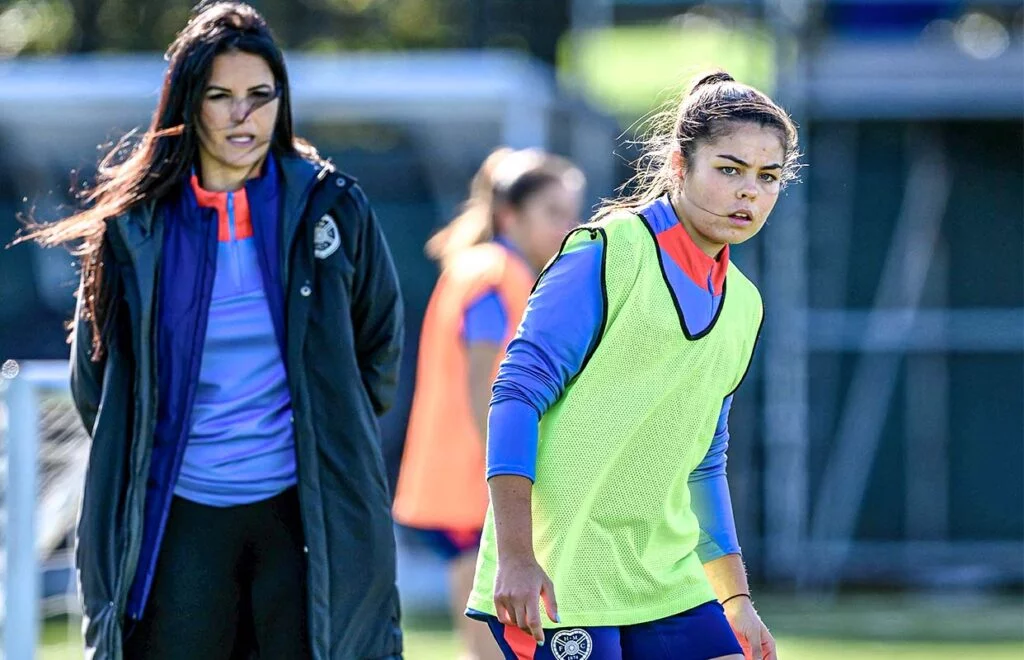
Sports can be an effective setting for practicing the habits that support strong leadership in school, work, and community life. For organizations planning a leadership event, the option to book today can also help bring practical perspectives from athletes into conversations about confidence, teamwork, and career growth. Female athletes regularly learn to prepare, respond under pressure, communicate with people with different styles, and stay committed to long-term goals. Those lessons do not automatically become career skills, but reflection and purposeful practice can help athletes carry them well beyond a final season.
Why Athletic Skills Matter Beyond The Game
Athletes are often expected to show up prepared, follow through on commitments, and contribute even when they are not the center of attention. Those expectations closely resemble what teachers, supervisors, clients, and community partners value. Training teaches that progress usually comes from repeated effort, honest feedback, and adjustments over time. Competition also creates opportunities to make decisions with incomplete information. A player may need to change a plan in seconds, a runner may need to manage pacing when conditions change, and a captain may need to calm a tense team conversation. The specific sport may end, but the ability to assess a situation, choose a next step, and support others remains useful.
Leadership Skills Athletes Practice Every Day
Leadership is not limited to captains, starters, or athletes with the loudest voice. It is often visible in consistent actions that help a group function well.
- Accountability: Taking ownership of preparation, choices, and results rather than blaming others.
- Teamwork: Working with people who have different personalities, strengths, and responsibilities.
- Focus: Continuing to work when improvement is gradual, or recognition is limited.
- Decision-making: Choosing a useful response when time and information are limited.
- Resilience: Recovering from mistakes while staying connected to the larger goal.
- Time management: Balancing practices, coursework, work obligations, family, recovery, and rest.
For example, an athlete completing a group project can use the same habits she uses during a season: clarify the goal, divide responsibilities, check on progress, address a missed deadline respectfully, and help the group finish strong.
How To Transfer Sports Lessons Into Career Growth
Employers and mentors may not automatically understand what “team captain” or “four-year athlete” required. Athletes should learn to describe their experience in plain, specific language that explains both the action and the result.
- Write down three moments when you showed leadership in sport.
- Describe the situation and the action you took.
- Identify the outcome, even if it was a small improvement.
- Connect the example to a school, career, or community setting.
- Practice explaining it in two or three clear sentences.
Instead of saying, “I was a team captain,” an athlete might explain that she organized communication among teammates, helped resolve disagreements, and ensured new players understood the team’s expectations. That description gives an interviewer a clearer picture of planning, communication, and responsibility.
Building Stronger Communication Skills
Clear communication helps athletes become trusted teammates and effective professionals. It includes giving concise instructions, listening carefully, offering respectful feedback, and asking questions before assumptions become problems. The best approach may vary when speaking with a teammate, supervisor, customer, younger player, or event audience.
A Simple Communication Checklist
- Listen before responding.
- State the goal or concern clearly.
- Keep the message focused and concise.
- Confirm the next step and who owns it.
- Invite useful feedback and remain open to it.
During an interview, panel discussion, or meeting, athletes can use examples from competition without resorting to sports jargon. Describe the challenge, explain what you did, and share what you learned. This approach makes experience understandable to people who have never played the sport.
Turning Confidence Into Action
Confidence is not simply a feeling that arrives before a major opportunity. It often develops after someone takes a reasonable risk, learns from the outcome, and tries again with better preparation. Athletes can build that pattern by applying for a role before they feel completely ready, volunteering to lead a presentation, sharing an idea in a meeting, or requesting feedback from a mentor. Preparation still matters. Positive thinking cannot replace research, practice, or an honest review of areas that need improvement. Keeping a record of completed goals, positive feedback, and difficult situations handled well can provide concrete reminders of growth when self-doubt appears.
Using Setbacks As Leadership Practice
Injuries, losses, missed selections, coaching changes, and uncertain career plans can be difficult to cope with. They can also become opportunities to practice perspective and problem-solving. Resilience does not mean pretending that disappointment is unimportant. It means responding with care and choosing a constructive next step.
- Name what happened without exaggerating it.
- Separate personal worth from one result or decision.
- Identify what remains within your control.
- Ask for support when it is needed.
- Choose one small action that moves you forward.
If stress, injury, or emotional strain begins to affect daily life, athletes should seek appropriate support from qualified health professionals, counselors, or trusted campus and community resources.
Finding Mentors, Role Models, And Support
Mentors can help athletes identify possibilities, practice professional communication, and make thoughtful decisions during transitions. Useful guidance may come from coaches, teachers, alums, managers, former athletes, or professionals in a field of interest. Before a conversation, prepare questions about career paths, skill development, or the next practical step. Support should also include safe and respectful sport environments. UNESCO has highlighted how safer conditions for women and girls in sport are connected to addressing inequality, preventing violence, and expanding leadership opportunities. Athletes benefit from having more than one trusted source of guidance.
A Simple Plan For Life Beyond Competition
A transition plan does not need to solve every future decision at once. A focused 30-day approach can create useful momentum.
- Week One: List athletic strengths, personal interests, and values.
- Week Two: Update a résumé, profile, portfolio, or personal introduction.
- Week Three: Contact one mentor and one professional connection.
- Week Four: Take one action tied to a future goal, such as applying for an internship, attending a workshop, or joining a volunteer project.
Testing different paths can be more valuable than waiting for perfect certainty. An informational interview, a short project, or a volunteer commitment can reveal what type of work feels meaningful and which skills need further development.
How Schools And Organizations Can Help
Schools, athletic departments, and employers can make the transition from sport to career easier by offering career planning before an athlete’s final season. Helpful support includes résumé workshops, interview practice, budgeting basics, mentorship connections, meaningful leadership roles, and clear standards for conduct and reporting. One example is the University of Maryland’s Women Athlete’s Leadership Program, announced in 2025. The program combines professional development, mentoring, career planning, workshops, and networking for women student-athletes preparing for their next chapters.
Final Thoughts
Sport can provide a strong foundation for leadership, but athletes need opportunities to apply those lessons beyond competition. The discipline, teamwork, resilience, and decision-making skills developed through training can be valuable in professional settings, community projects, and personal development. By reflecting on experience, communicating clearly, seeking support, and taking steady action, female athletes can recognize their strengths and identify areas where they want to grow. Mentorship, networking, continued education, and involvement in leadership initiatives can also help them explore opportunities beyond their playing careers. Progress may take time, and each athlete’s path will look different depending on their interests, resources, and goals. By setting realistic milestones and remaining open to learning, female athletes can build confidence, strengthen their leadership abilities, and use their experiences to support others. In 2026 and beyond, turning lessons from sport into meaningful career and community impact starts with recognizing that leadership is not limited to the field or court; it can continue through everyday decisions, professional contributions, and efforts to create opportunities for the next generation.