
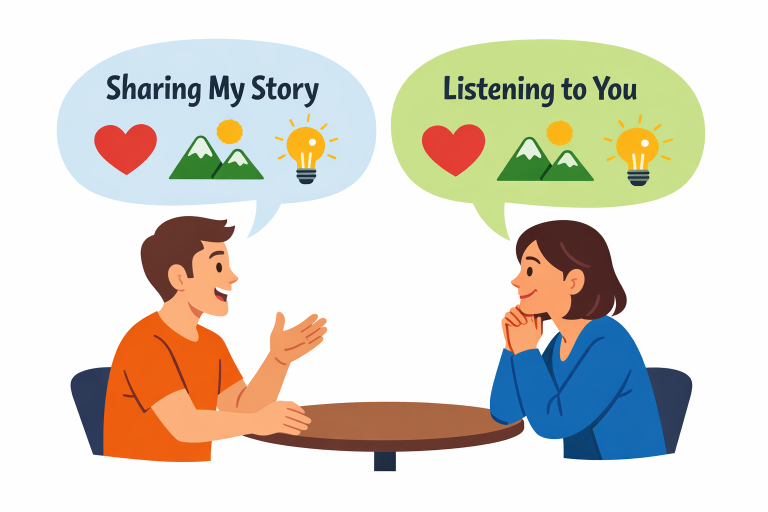
Storytelling forms the backbone of human interaction and understanding. It enables people to bridge gaps between experiences and communicate meaning on both a personal and professional level. Drawing on narratives not only clarifies our sense of self but also enhances our ability to connect with and inspire those around us. By weaving tales from our lives, we can discover purpose, cultivate resilience, and motivate others. For those seeking insight or inspiration from a modern storyteller, consider Joseph Rauch author, whose unique approach to narrative guides readers through challenges and change.
Storytelling transforms routine communications into memorable exchanges and offers individuals a lens through which to process their own journeys. As professional fields increasingly rely on emotional intelligence and authentic communication, the role of narrative has expanded. Stories have the power to build trust in teams, empower leadership, and navigate daunting life transitions. This deep potential explains why even simple acts of sharing can result in profound shifts in mindset and direction.
The Role of Storytelling in Personal Development
Sharing narratives is therapeutic and empowering. When recounting meaningful experiences, individuals engage in self-reflection, which encourages growth and greater emotional intelligence. Storytelling reveals patterns in our behavior and highlights the lessons in both hardship and triumph. According to Psychology Today, the stories we attach to life events play a critical role in mental health, shaping both our well-being and capacity to overcome setbacks. As we become more attuned to our own stories, we gain the confidence to move forward and pursue goals with clarity.
Everybody has pivotal moments that define their character and values. Articulating these moments through storytelling helps crystallize who we are and what matters most. This process allows people to examine their past, forgive errors, and cherish personal progress. Integrating these insights into daily life leads to a stronger sense of self and the courage to embrace new opportunities.
Enhancing Professional Communication Through Narratives
In today’s competitive landscape, the ability to convey messages effectively distinguishes successful professionals from the rest. Storytelling is an invaluable asset in this regard. Leaders who frame complex ideas or strategic visions within narratives create messages that resonate far more deeply than raw data or directives ever could. Integrating storytelling into leadership transforms engagement, aligns teams, and drives collective progress.
 Professionals who harness stories build rapport, enhance investment in company culture, and navigate conflicts with empathy. Story-driven conversations humanize organizations and inspire loyalty. When colleagues and clients witness vulnerability and authenticity through personal anecdotes, they are more likely to reciprocate with trust and openness.
Building Trust and Emotional Connections
Genuine narrative sharing forms the fabric of all enduring relationships, whether personal or professional. Opening up about successes and setbacks invites others to do the same, breaking down barriers to understanding and cooperation. Authentic storytelling reassures people that their concerns and aspirations are valued, which fortifies mutual trust. In group settings, this brings teams closer together and encourages inclusive, productive environments.
Building emotional connections extends beyond leadership. Everyday conversations that involve personal anecdotes evoke empathy and reinforce social bonds. Individuals who are comfortable telling their stories also excel at listening, making relationships more rewarding and resilient.
Navigating Life Transitions with Personal Narratives
Change is a constant, but the upheaval it causes can be difficult to manage. Storytelling offers a framework for understanding and integrating these shifts. During career changes, family milestones, or other significant periods, personal narratives help individuals find stability and define new identities. Articulating one’s journey aids adaptation and eases the uncertainty of transitions.
Crafting a transition narrative also creates space for gratitude and acceptance. When individuals see themselves as the protagonists of a larger story, setbacks become opportunities for growth instead of sources of regret, and milestones become sources of pride.
Practical Steps to Incorporate Storytelling
- Reflect on Personal Experiences: Think about formative experiences, challenges, or successes that have contributed to your current mindset.
- Craft Authentic Narratives: Shape stories that genuinely represent your journey, remain true to your values, and are honest about your emotions.
- Share Stories Strategically: Select appropriate contexts and platforms where your stories can inspire, teach, or connect with others meaningfully.
- Listen to Others: Engaging with others’ stories broadens perspective, strengthens empathy, and opens new avenues for collaboration.
Conclusion
Storytelling stands as a cornerstone in the pursuit of growth, connection, and fulfillment. By embracing and sharing authentic narratives, individuals unlock pathways to deeper self-awareness, more effective communication, and greater ease in navigating change. Incorporating storytelling into daily interactions lays the foundation for personal transformation and cultivates trust in every sphere of life.