Doors with frames are a fundamental element of interior architecture, shaping not only how rooms are separated but also how an interior feels as a whole. In modern homes, doors are no longer viewed as standalone panels. Instead, they are complete systems where the door leaf and interior door frames work together to provide structural stability, visual balance, and everyday comfort. A well-designed framed door solution brings clarity and order to the interior while supporting long-term usability.
Today, interior framed doors are selected with attention to proportion, finish, and integration into the overall design concept. The frame is not just a technical necessity — it defines the transition between spaces, affects sound insulation, and influences how refined the door looks once installed.
Interior Door Frames and Their Role in Interior Architecture
Interior door frames play a critical role in how doors function and how they are perceived visually. They ensure proper alignment, smooth operation, and a clean connection between the door and the wall. Without a well-designed frame, even a high-quality door leaf can feel incomplete or poorly integrated.
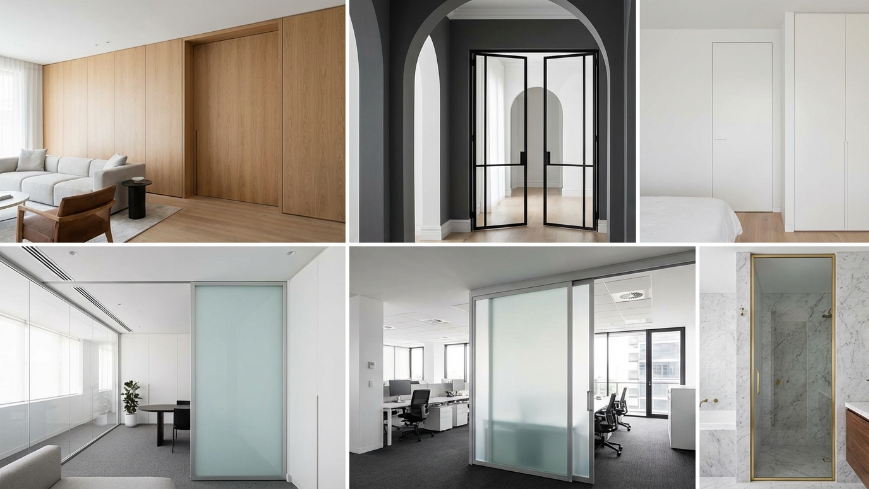
From a design perspective, interior door frames define the outline of the doorway and influence the proportions of the space. Slim, minimalist frames are often used in contemporary interiors to maintain clean lines and visual lightness. More pronounced frames can add architectural character and emphasize transitions between rooms.
Interior door frames also contribute to:
- structural stability of the door system
- improved sound and draft control
- a finished and professional appearance
Because of these factors, frames should be considered an essential part of the door system rather than an accessory.
Interior Framed Doors for Contemporary Living
Interior framed doors are widely used in both residential and commercial interiors due to their versatility and reliability. In homes, they provide clear separation between private and shared spaces, such as bedrooms, bathrooms, and living areas. In offices or studios, they help organize workflow while maintaining a cohesive design language.
Modern interior framed doors are designed to integrate seamlessly with different wall finishes and interior styles. Neutral colours, subtle textures, and precise geometry allow these doors to blend into minimalist interiors or complement more expressive design concepts.
One of the key advantages of interior framed doors is their adaptability. They can be installed in new builds as well as renovation projects, providing a consistent and polished result even when wall conditions vary. This makes doors with frames a practical solution for long-term interior planning.
Materials, Construction, and Long-Term Performance
The performance of doors with frames depends heavily on materials and construction quality. Solid or engineered door leaves combined with well-made frames provide durability and consistent operation over time. Quality materials help prevent warping, misalignment, and excessive wear, which are common issues in poorly constructed systems.
Frames are typically designed to withstand daily use, temperature changes, and minor wall movement. Their finish should match or complement the door leaf, creating a unified appearance. In modern interiors, precision in joints and edges is especially important, as clean detailing reinforces the overall sense of quality.
From a practical standpoint, interior door frames also simplify maintenance and future adjustments. A properly installed frame allows for smoother hinge operation and helps maintain correct clearances throughout the life of the door.
Visual Consistency and Interior Design Integration
Doors with frames contribute significantly to visual consistency across an interior. When all doorways share the same framing logic, the space feels more organized and intentional. This is particularly important in modern interiors where repetition of lines and proportions creates a calm and balanced atmosphere.
Interior framed doors often work best when coordinated with other architectural elements such as baseboards, wall panels, or partitions. This alignment helps establish a coherent design language rather than a collection of unrelated details.
At Triodoors, door systems are approached as complete interior solutions. The door shop Triodoors focuses on modern doors with frames that are designed to integrate seamlessly into contemporary interiors, offering consistency in design, construction, and everyday performance.
Choosing Doors with Frames for Everyday Comfort
Selecting doors with frames should be based on both functional needs and design goals. Spaces that require privacy and sound control benefit from solid, well-fitted framed doors. Areas where light and openness are important may use framed doors with glass elements while still maintaining structural clarity.
Interior framed doors are not just about closing an opening. They shape how people move through a space, how sound travels, and how finished the interior feels. When chosen thoughtfully, doors with frames enhance daily comfort, support long-term durability, and elevate the overall quality of the interior.
A well-designed door with a properly matched frame becomes a quiet but powerful architectural element — one that reinforces both the function and the visual harmony of a modern interior.