
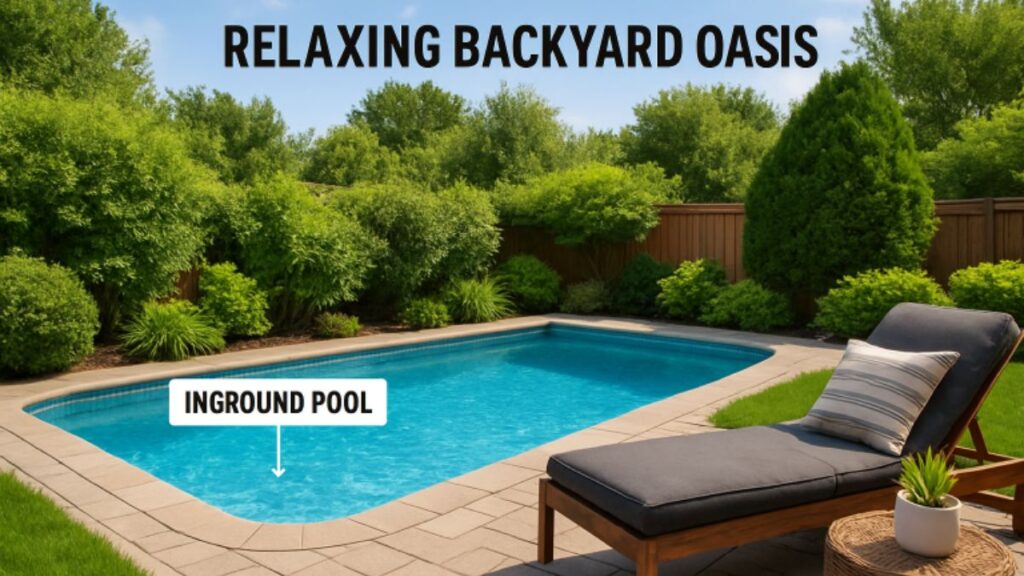
Turning your backyard into a serene escape with an inground pool takes thoughtful preparation and a clear vision. The right choices now can lead to years of enjoyment and a beautiful, functional outdoor space. Whether you are picturing weekend gatherings or quiet mornings by the water, several key considerations will help you make the most of your investment. As you begin your journey, it may help to identify resources, such as pool opening service Missouri, for professional assistance with the transition into pool season.
Every backyard is unique, and successful pool planning means considering not just your dreams but also practical needs. From the initial site inspection to the daily reality of maintenance, a well-planned pool can become the centerpiece of relaxation, recreation, and entertaining. Creating your lasting backyard oasis starts with strategic decision-making at every step.
Assessing Your Space
Start by thoroughly evaluating your backyard’s layout, topography, and available sunlight. A level, open area is ideal, but slopes, large trees, and underground utilities can affect where and how your inground pool is installed. Consider traffic flow, ease of access to the pool, and sight lines from within your home to ensure visibility and safety. Mapping these details with a landscape designer or contractor can help you visualize your space’s true potential.
Choosing the Right Pool Type
There are three main types of inground pools, each tailored to various budgets, maintenance levels, and design preferences:
- Fiberglass Pools: These offer impressive durability and a sleek, non-porous finish that discourages algae growth. Installation is usually fast, and maintenance is minimal compared to other types.
- Vinyl Liner Pools: Vinyl pools excel in affordability and design options, though liners need replacement every 7 to 10 years. This pool type is an excellent fit for creative shapes at a lower cost.
- Concrete Pools: For the ultimate customized experience, concrete allows for any shape or depth your yard can support. Expect longer installation times and higher maintenance, but unrivaled strength and adaptability.
Researching each pool type, including upfront and long-term maintenance expenses, can help you make an informed decision that aligns with your priorities and lifestyle.
Designing for Functionality and Aesthetics
Today’s most successful pool designs combine striking visual appeal with user comfort and ease of use. Geometric shapes and minimalist edges can make small backyards feel more spacious and modern, while organic, lagoon-style designs bring a touch of resort luxury. Tanning ledges, built-in spas, and benches add layers of functionality. Lighting, natural stone decking, and integrated landscaping can tie the entire yard together for a cohesive retreat.
Incorporating Sustainable Features
If sustainability is a priority, look into materials and systems that minimize your pool’s environmental impact. Recycled decking, energy-saving pumps and filters, and solar-powered heaters enhance efficiency and reduce long-term operating costs. Rainwater collection and advanced filtration systems can help conserve water while keeping your pool pristine. As eco-conscious practices enter mainstream landscaping, a sustainably designed pool is not only attractive, but also responsible.
Integrating Smart Technology
Technology now plays a central role in pool maintenance and owner convenience. Automated management systems let you control water temperature, lighting, and cleaning cycles from your smartphone or home control hub. These smart systems optimize energy usage, simplify routine tasks, and give busy homeowners peace of mind. Digital monitoring and automation, paired with a solid maintenance plan, ensure your pool remains inviting and safe with minimal hands-on work.
Budgeting and Financing
Set a comprehensive budget that includes installation, pool equipment, landscaping, fencing, and ongoing maintenance costs. Financing options, such as home equity loans or special pool financing programs, can make costly upfront investments more manageable. Early conversations with contractors or financial advisors can help you avoid surprises and stay on track toward completion of your goals.
Navigating Permits and Regulations
Every municipality has specific codes for pool installation, including fencing requirements, setbacks, and drainage. Apply for all required permits before breaking ground to prevent legal trouble or construction delays. Rely on experienced professionals who understand the nuances of your area’s rules, and always double-check your project’s compliance as work progresses.
Maintenance and Upkeep
Regular upkeep is essential for your pool’s safety, appearance, and lifespan. Clean the waterline, check chemical balances weekly, and inspect pumps, lights, and covers as part of your schedule. Automating some tasks or hiring a qualified maintenance service can ensure hassle-free enjoyment without sacrificing the pool’s longevity. For professional pool care in your area, consult trusted sources to get started with a maintenance plan that suits your needs.
Thoughtful planning and reliable partnerships are the foundation for a beautiful, enduring backyard oasis. By focusing on quality design, sound construction, and practical upkeep, you can enjoy every season poolside for years to come.