
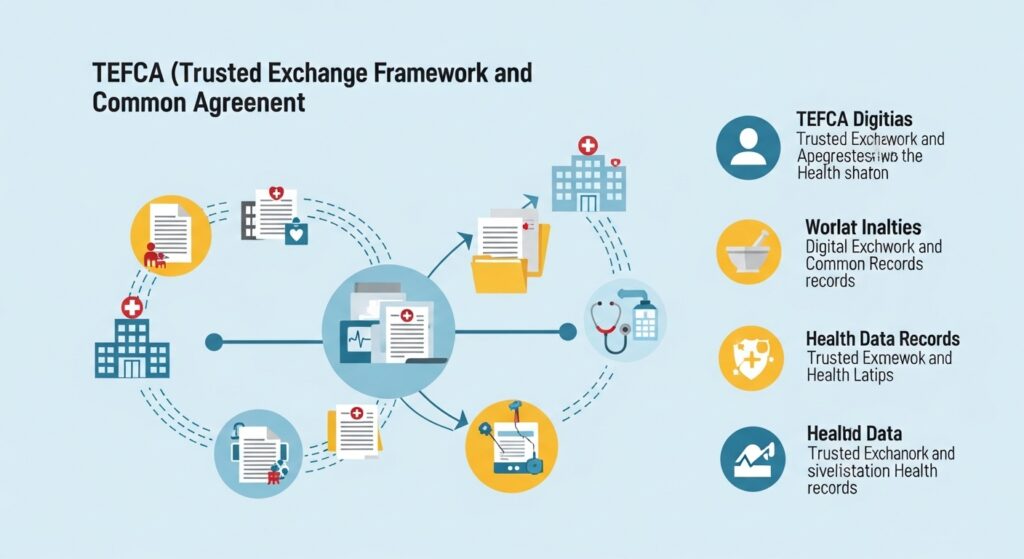
TEFCA is rapidly becoming a cornerstone of modern healthcare data exchange in the United States. As the healthcare industry continues to digitize patient information, the need for a unified and secure framework has grown significantly. TEFCA addresses this need by creating a standardized approach for sharing electronic health information across different systems, organizations, and regions.
At its core, TEFCA aims to improve interoperability—the ability of various healthcare systems to communicate and exchange data seamlessly. By doing so, it enhances patient care, reduces duplication of services, and supports better clinical decision-making. TEFCA is not just a technical framework; it represents a shift toward a more connected and efficient healthcare ecosystem.
What Is TEFCA and Why It Matters
TEFCA, which stands for Trusted Exchange Framework and Common Agreement, provides a set of principles, technical standards, and governance policies that enable nationwide health information exchange. It was developed to address long-standing challenges in interoperability, such as fragmented systems and inconsistent data-sharing practices.
The importance of TEFCA lies in its ability to bring together different health information networks under a single framework. Instead of having multiple disconnected systems, TEFCA creates a “network of networks” that allows healthcare providers, payers, and public health agencies to access and share data more effectively.
This unified approach benefits patients by ensuring that their health information follows them wherever they receive care. Whether visiting a specialist, moving to a new city, or seeking emergency treatment, TEFCA helps ensure that critical medical data is available when needed.
How TEFCA Works in Practice
TEFCA operates through designated organizations known as Qualified Health Information Networks (QHINs). These networks serve as the backbone of the framework, enabling data exchange between participants such as hospitals, clinics, laboratories, and health systems.
Each QHIN connects to other QHINs, creating a nationwide infrastructure for information sharing. Participants within these networks can request and exchange patient data securely and efficiently. TEFCA establishes clear rules for how data should be shared, ensuring consistency and trust among all parties involved.
The framework supports multiple exchange purposes, including treatment, payment, healthcare operations, public health reporting, and individual access. This flexibility allows TEFCA to meet a wide range of healthcare needs while maintaining strict privacy and security standards.
Key Features of TEFCA
TEFCA includes several features that make it a powerful tool for improving healthcare interoperability:
Standardized Data Exchange
TEFCA promotes the use of common standards for data formats and communication protocols. This standardization reduces compatibility issues and makes it easier for different systems to work together.
Nationwide Connectivity
By linking multiple health information networks, TEFCA enables data exchange on a national scale. This connectivity ensures that healthcare providers can access patient information regardless of geographic location.
Strong Governance Framework
TEFCA establishes clear rules and policies for participation, data sharing, and dispute resolution. This governance structure builds trust among participants and ensures accountability.
Enhanced Security and Privacy
Protecting patient data is a top priority for TEFCA. The framework includes strict requirements for data encryption, access controls, and compliance with privacy regulations.
Benefits of TEFCA for Healthcare Stakeholders
TEFCA offers significant advantages for various stakeholders in the healthcare ecosystem:
For Patients
Patients benefit from improved continuity of care. With TEEFCA, their health information becomes more accessible to authorized providers, reducing the risk of errors and unnecessary tests. It also empowers patients by giving them better access to their own medical records.
For Healthcare Providers
Providers can make more informed decisions with access to comprehensive patient data. TEFCA reduces administrative burdens by streamlining data exchange processes, allowing clinicians to focus more on patient care.
For Public Health Agencies
TEFCA supports more efficient data sharing for public health initiatives. It enables faster reporting and analysis of health trends, which is crucial during emergencies such as disease outbreaks.
For Payers and Organizations
Insurance companies and healthcare organizations can use TEEFCA to improve operational efficiency. Access to accurate and timely data helps with claims processing, care coordination, and cost management.
Challenges in Implementing TEFCA
While TEFCA offers many benefits, its implementation is not without challenges. Organizations must invest in technology upgrades, staff training, and compliance efforts to participate effectively.
One major challenge is aligning existing systems with TEFCCA standards. Many healthcare providers use legacy systems that may not be fully compatible with the framework. Transitioning to new systems can be time-consuming and costly.
Another challenge involves ensuring data privacy and security. Although TEEFCA includes strong safeguards, organizations must remain vigilant against potential breaches and cyber threats.
Additionally, achieving widespread adoption is critical for TEEFCA’s success. The framework becomes more valuable as more participants join, but encouraging participation requires education, incentives, and collaboration across the industry.
TEFCA and the Future of Interoperability
TEFCA represents a significant step toward achieving true interoperability in healthcare. As more organizations adopt the framework, it has the potential to transform how health information is shared and used.
In the future, TEFCCA could enable advanced applications such as real-time data analytics, personalized medicine, and improved population health management. By providing a reliable infrastructure for data exchange, it lays the foundation for innovation in healthcare technology.
The framework also aligns with broader efforts to modernize healthcare systems and improve patient outcomes. As digital health tools continue to evolve, TEEFCA will play a key role in ensuring that these tools can work together effectively.
TEFCA Use Cases in Real-World Scenarios
TEEFCA can be applied in various real-world situations to improve healthcare delivery:
Emergency Care
In emergency situations, quick access to patient data can save lives. TEFCCA allows healthcare providers to retrieve critical information such as allergies, medications, and medical history in real time.
Care Coordination
Patients with chronic conditions often see multiple providers. TEFCCA facilitates seamless communication بينهم, ensuring that all providers have access to the same information and can coordinate care effectively.
Patient Access
TEEFCA supports patient access to their own health data. Individuals can request and receive their medical records, enabling them to take a more active role in managing their health.
Public Health Reporting
During public health crises, timely data sharing is essential. TEEFCA enables faster reporting of cases and trends, helping authorities respond more effectively.
Steps to Prepare for TEFCA Adoption
Organizations looking to adopt TEEFCA should take several steps to ensure a smooth transition:
Assess Current Systems
Evaluate existing technology infrastructure to identify gaps and compatibility issues. Understanding current capabilities is the first step toward successful implementation.
Invest in Training
Educate staff about TEEFCA requirements, processes, and benefits. Proper training ensures that employees can use the framework effectively.
Strengthen Security Measures
Enhance data protection practices to meet TEEFCA standards. This includes implementing robust cybersecurity protocols and regular audits.
Collaborate with Partners
Work with other healthcare organizations, vendors, and networks to align efforts and share best practices. Collaboration is key to maximizing the benefits of TEEFCA.
TEFCA and Patient-Centered Care
One of the most important aspects of TEEFCA is its focus on patient-centered care. By improving data accessibility and transparency, it empowers patients and enhances their healthcare experience.
Patients no longer need to worry about transferring records between providers or repeating tests بسبب lack of information. TEEFCA ensures that their data is available when and where it is needed, leading to more efficient and effective care.
This shift toward patient-centered care also encourages greater engagement and trust. When patients have access to their own data, they can make more informed decisions and actively participate in their treatment plans.
Conclusion
TEFCA is more than just a framework; it is a catalyst for change in the healthcare industry. By standardizing data exchange and promoting interoperability, it addresses some of the most pressing challenges in healthcare today.
Although implementation requires effort and investment, the long-term benefits of TEEFCA far outweigh the challenges. It has the potential to improve patient outcomes, enhance efficiency, and drive innovation across the healthcare ecosystem.
As adoption continues to grow, TEEFCA will play a crucial role in shaping the future of healthcare. Organizations that embrace this framework early will be better positioned to thrive in an increasingly connected and data-driven world.