
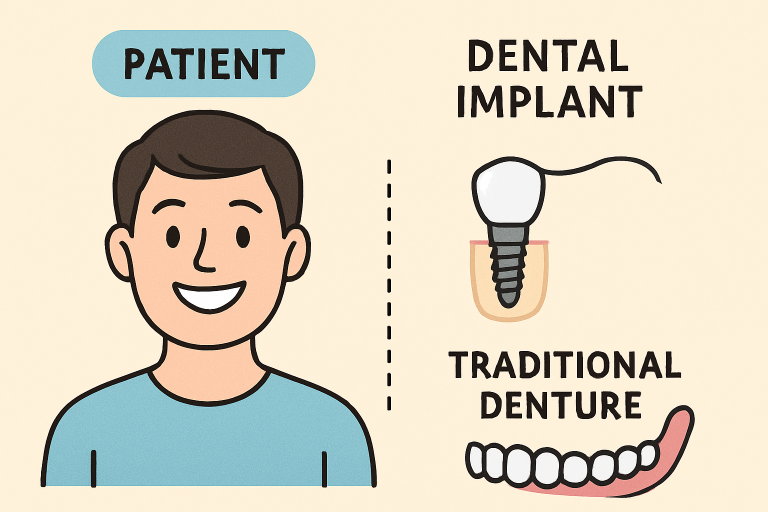
Dental implants have truly transformed the landscape of oral health, emerging as the gold standard for replacing missing teeth. Unlike traditional dentures and bridges, implants offer a solution that closely replicates the look, feel, and function of natural teeth. This not only addresses the cosmetic effects of tooth loss but also restores full oral functionality, improving overall well-being for patients.
For dental professionals seeking to advance their skills, Pikos Institute dental implant courses designed to provide both hands-on experience and in-depth theoretical knowledge. The website provides detailed information about the programs, including course schedules, enrollment details, and specialized workshops, making it a go-to resource for practitioners looking to enhance their expertise.
Recognized globally as a leader in dental implant education, Pikos Institute combines evidence-based curriculum with practical training, helping practitioners stay current with the latest tools, clinical protocols, and ethical practices. Serving dental teams in Florida and beyond, the Institute equips professionals with the knowledge and confidence to deliver exceptional care, ensuring patients receive safe, reliable, and aesthetically superior implant solutions.
The Evolution of Dental Implants
The journey from rudimentary dentures and fixed bridges to modern-day dental implants marks a pivotal shift in restorative dentistry. Historically, missing teeth were addressed with removable appliances, often resulting in discomfort, limited chewing capacity, and ongoing maintenance. Dental implants changed this equation, providing a fixed solution that preserves jawbone structure and prevents shifting of adjacent teeth. According to US News, the science of dental osseointegration, where titanium posts fuse naturally with the jawbone, has set new standards for reliability, functionality, and patient confidence. Over time, innovations in implant design and materials have further elevated treatment outcomes and patient experiences.
Technological Advancements in Implant Dentistry
The integration of cutting-edge technologies has ushered in a new era for implant dentistry. Digital impressions and intraoral scanners have made patient assessment less invasive and more precise. Three-dimensional imaging enables detailed planning by allowing clinicians to visualize bone volume and vital anatomical structures prior to surgery. Artificial intelligence (AI) and machine learning are enhancing diagnostic accuracy and forecasting, helping identify risk factors and plan tailored interventions. These advances not only expedite procedures but also minimize surgical complications, ultimately optimizing both aesthetic and functional results for patients. Resourceful use of technology continues to drive positive change in how dental implants are conceptualized, planned, and delivered.
Impact on Patient Quality of Life
Receiving a dental implant often represents more than just tooth replacement—it sparks a significant transformation in an individual’s confidence, nutrition, and social interactions. Unlike removable dentures, which can slip or click while speaking or eating, dental implants are securely anchored in the jaw, restoring the sensation and function of natural teeth. This permanence and security translate to improved speech, unrestricted food choices, and the possibility of a vibrant, worry-free lifestyle. Adults of all ages who opt for implants frequently report a substantial boost in self-esteem, as well as enhanced physical health from better nutrition and improved chewing efficiency.
The Role of Education and Training
The success of dental implant treatments hinges on the dental team’s proficiency and ongoing training. Rigorous education from reputable providers ensures dentists remain adept at using evolving materials, technologies, and best practices. Leading institutions, such as the Pikos Institute, have established themselves as trailblazers in implant training. With a focus on evidence-based protocols, the Pikos Institute helps professionals master advanced surgical and restorative techniques, including grafting, soft tissue management, and computer-guided implant placement—all designed to maximize patient safety and satisfaction. Dental practitioners who invest in this type of comprehensive training are better prepared to respond to patient needs and evolving industry standards.
 Addressing Ethical Considerations
The rapid growth in implant demand, however, has shed light on critical ethical challenges. Some practitioners, motivated by profit, may recommend unnecessary tooth extractions for dental implants—a practice that raises serious concerns about patient welfare and integrity. Upholding ethical standards is paramount. Dentists must balance clinical recommendations with patients’ long-term health interests, employing diagnostic rigor and transparent communication to ensure each intervention is in the patient’s best interest. By fostering trust and adhering to evidence-based decision-making, the dental industry can protect patients from harm while advancing high standards of care.
Future Directions in Implant Dentistry
Implant dentistry stands on the brink of even greater innovation, with research efforts focused on new biomaterials, faster healing, and enhanced biocompatibility. Technologies such as 3D-printed implants and personalized digital surgical guides allow for even more precise, minimally invasive treatments. AI-driven software is beginning to predict patient outcomes and optimize implant positioning, while advances in regenerative medicine promise to reduce waiting times and promote natural bone growth. These breakthroughs are expected to democratize access to dental implants, making them more affordable and available to a broader patient population as technology and training continue to advance.
Conclusion
The evolution of implant dentistry is having a profound, positive impact on patients by delivering reliable, comfortable, and aesthetically pleasing solutions to tooth loss. Through robust education, ethical practice, and the ongoing integration of innovative technologies, dental professionals are better equipped than ever to offer care that restores not only smiles but also confidence, nutrition, and overall well-being. As the field continues to grow and diversify, implant dentistry remains a beacon of hope and transformative potential in oral healthcare.