
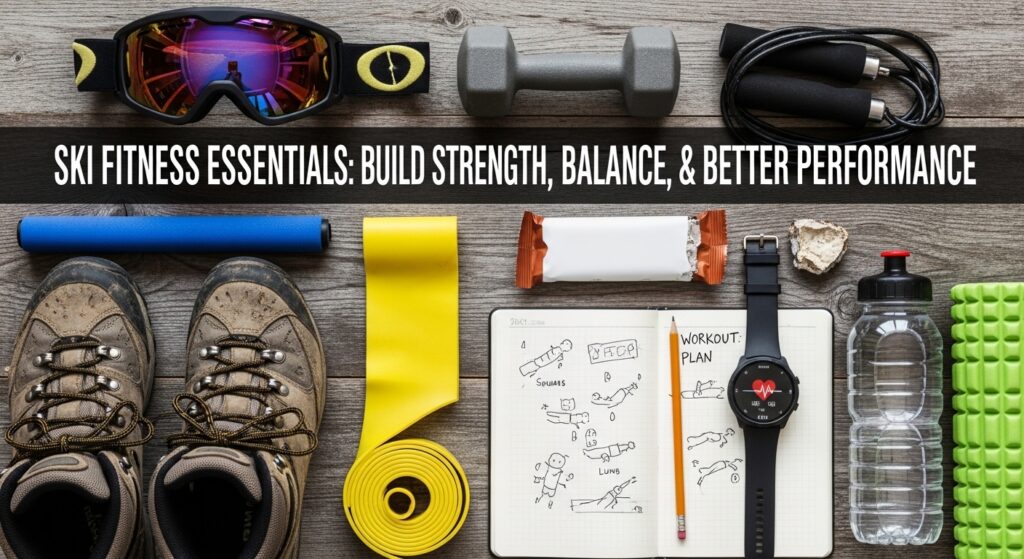
Ski fitness is one of the most important factors for anyone who wants to enjoy skiing safely and confidently. Whether you are a beginner preparing for your first winter trip or an experienced skier aiming to improve performance, building the right physical foundation makes a major difference. Strong muscles, better balance, and improved endurance allow you to move with control, reduce fatigue, and lower the risk of injury on the slopes.
Many people underestimate how physically demanding skiing can be. It requires powerful legs, a stable core, quick reaction time, and excellent coordination. Without proper preparation, even a short day on the mountain can become exhausting. Ski fitness helps prepare the body for these challenges so that skiing feels smoother, more enjoyable, and far less stressful.
Why Ski Fitness Matters for Every Skier
Skiing is more than a recreational winter activity. It is a full-body sport that challenges multiple muscle groups at the same time. Your legs absorb impact, your core stabilizes movement, and your upper body helps maintain posture and rhythm. Without proper conditioning, your body may struggle to handle repeated movements over several hours.
Ski fitness improves your ability to stay strong and focused throughout the day. Instead of feeling tired after a few runs, you can maintain better energy and confidence. This also helps improve technique because tired muscles often lead to poor form and slower reactions.
Injury prevention is another major reason to focus on ski fitness. Weak muscles and poor balance increase the chances of falls, knee strain, and lower back discomfort. Training before ski season strengthens joints and supports safer movement patterns.
Ski Fitness and Lower Body Strength
Strong legs are the foundation of ski fitness because skiing places constant pressure on the lower body. Your quadriceps, hamstrings, glutes, and calves work together to control speed, absorb terrain changes, and maintain balance.
Squats are one of the best exercises for ski preparation. They build strength in the thighs and hips while improving overall stability. Lunges are equally valuable because they mimic the single-leg control often needed during turns and uneven terrain.
Wall sits are another highly effective movement for ski fitness. They help develop muscular endurance in the legs, which is essential for long runs and repeated downhill movement. Adding step-ups and calf raises can also improve support and flexibility.
Consistency matters more than intensity. Training the lower body regularly helps create strength that lasts throughout the season rather than temporary results.
Ski Fitness and Core Stability
Core strength is often overlooked, but it is a key part of ski fitness. Your core includes the muscles around the abdomen, lower back, and hips. These muscles support posture, protect the spine, and help transfer power between the upper and lower body.
A strong core improves balance and reduces unnecessary body movement while skiing. This allows for smoother turns and better control, especially on challenging terrain. It also helps prevent lower back strain, which is common among skiers with weak trunk stability.
Planks are one of the most effective core exercises for ski preparation. Side planks add rotational strength, while Russian twists help improve movement control during turns. Bird-dog exercises and dead bugs are also useful for building stability without excessive strain.
The goal is not simply visible abs but functional strength that supports movement and protects the body under pressure.
Ski Fitness and Balance Training
Balance is essential in skiing because the body is constantly adjusting to changing surfaces, speed, and direction. Ski fitness should always include exercises that improve coordination and stability.
Single-leg exercises are especially helpful because skiing often places more weight on one side of the body during turns. Standing on one leg while performing light movements challenges control and strengthens stabilizing muscles.
Using balance boards or stability cushions can create an even stronger training effect. These tools force the body to react quickly and improve joint awareness. Yoga also supports balance by improving body control, posture, and flexibility.
Better balance leads to smoother skiing and greater confidence. It also reduces the likelihood of awkward falls caused by sudden changes in snow conditions or terrain.
Ski Fitness and Cardiovascular Endurance
Skiing requires more stamina than many people expect. Long runs, repeated chairlift cycles, and changing weather conditions all place stress on the cardiovascular system. Ski fitness should include endurance training to help the body maintain energy and recover faster.
Running, cycling, and rowing are excellent ways to improve cardiovascular health. These activities strengthen the heart and lungs while supporting overall physical conditioning. Hiking is also a strong option because it develops endurance and lower body strength at the same time.
High-intensity interval training can be especially useful for ski fitness because skiing often involves short bursts of intense effort followed by brief recovery periods. This style of training prepares the body for real slope conditions.
Improved endurance means less fatigue, sharper focus, and better enjoyment during longer ski sessions.
Ski Fitness and Flexibility for Better Movement
Flexibility supports smoother movement and helps reduce muscle tightness before and after skiing. While strength and endurance are important, mobility allows the body to move efficiently and safely.
Tight hips, stiff ankles, and limited hamstring flexibility can all affect skiing posture and control. Stretching these areas improves range of motion and reduces strain during deep knee bends and turning movements.
Dynamic stretching before exercise prepares the muscles for action. Leg swings, walking lunges, and hip circles are good examples. After training or skiing, static stretching helps release tension and supports recovery.
Foam rolling can also improve mobility by reducing muscle stiffness and improving circulation. This is especially useful after intense training sessions or long days on the mountain.
Ski Fitness and Injury Prevention
One of the greatest benefits of ski fitness is injury prevention. Knee injuries are common in skiing, especially when muscles are weak or movement patterns are unstable. Preparing the body before ski season significantly lowers these risks.
Strengthening the muscles around the knees creates better joint support. Exercises like lunges, split squats, and resistance band movements improve control and alignment. Hamstring strength is also important because it balances the stress placed on the quadriceps.
Ankles and hips should not be ignored. Strong supporting muscles in these areas improve body mechanics and reduce unnecessary pressure on the knees.
Rest and recovery are equally important. Overtraining can lead to fatigue and poor form, increasing injury risk instead of reducing it. Ski fitness should include recovery days to allow the body to rebuild and improve.
Ski Fitness Routine for Beginners
Starting a ski fitness routine does not require expensive equipment or advanced workouts. Simple, consistent training can create excellent results over time.
A beginner program might include bodyweight squats, lunges, planks, brisk walking, and stretching three to four times per week. The focus should be on building good movement habits before adding more intensity.
As strength improves, resistance training and balance exercises can be added gradually. Short interval workouts also help improve stamina without overwhelming the body.
Tracking progress keeps motivation high. Improvements in strength, flexibility, and endurance often appear within a few weeks of regular effort.
The best routine is the one that can be maintained consistently. Sustainable progress always produces better long-term results than extreme short-term training.
Ski Fitness for Advanced Skiers
Experienced skiers often need more specialized training to continue improving performance. Advanced ski fitness focuses on explosive power, agility, and movement precision.
Jump squats, lateral hops, and agility drills improve reaction speed and dynamic control. These exercises help prepare the body for fast turns, moguls, and technical terrain.
Resistance training with weights can increase power and muscular endurance, especially when combined with movement-specific drills. Rotational core exercises also become more important for advanced skiing performance.
Recovery strategies should also become more structured. Sleep, hydration, stretching, and proper nutrition all contribute to stronger performance and faster muscle repair.
Advanced ski fitness is about refinement rather than simply working harder. Small improvements in control and strength often create major gains on the slopes.
Final Thoughts
Ski fitness is the foundation of better skiing, greater confidence, and safer movement on the mountain. Preparing the body before ski season improves strength, balance, flexibility, and endurance, all of which contribute to better performance.
From beginners learning basic control to advanced skiers seeking sharper technique, every level benefits from focused preparation. Strong legs support stability, a solid core improves posture, and endurance keeps energy levels high throughout the day.
The best time to start ski fitness is before the snow arrives. Training early allows the body to adapt gradually and reduces the stress of sudden physical demands. With consistent effort and smart preparation, skiing becomes not only more enjoyable but also far more rewarding.
A strong skier is not simply someone with experience but someone whose body is ready for the challenge. Ski fitness makes that readiness possible.