
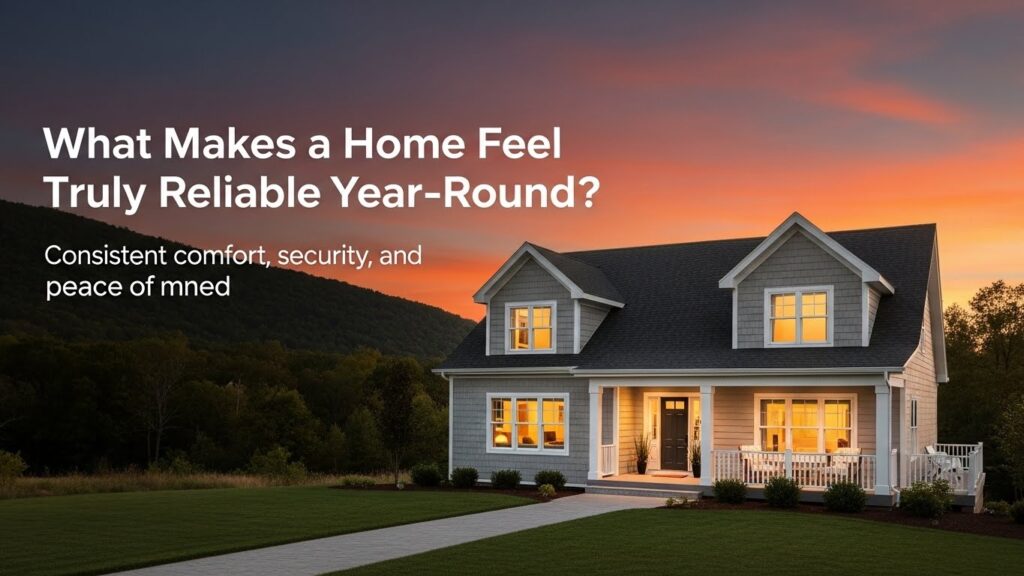
What Makes a Home Feel Truly Reliable Year-Round?
Reliability defines how a home performs when daily life puts it to the test, not just when everything is calm and predictable. Ordinary moments such as preparing meals, resting after work, or staying comfortable during sudden weather changes all depend on systems working quietly in the background. A reliable home reduces mental load by removing the need to constantly check, adjust, or worry about basic functions. This sense of stability is built through thoughtful choices in technology, materials, and long-term planning rather than luxury features. In this article, the essential elements that make a home feel dependable throughout the year are explained through practical, everyday scenarios.
- Climate Control That Never Fails
Efficient HVAC Systems for Extreme Weather
An efficient HVAC system ensures comfort even when outdoor temperatures fluctuate sharply from one day to the next. Reliable heating and cooling maintain consistent indoor conditions, which helps occupants sleep better and stay productive during the day. Systems designed for efficiency tend to cycle less aggressively, reducing wear on internal components. This smoother operation lowers the chance of sudden breakdowns during heatwaves or cold snaps. Over time, dependable HVAC performance translates into fewer emergency service calls and more predictable energy costs.
Uninterrupted Power with Whole House Generators
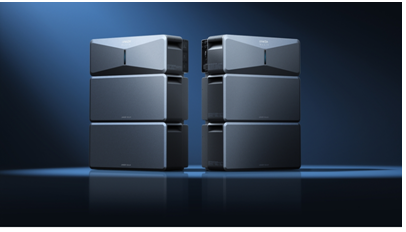
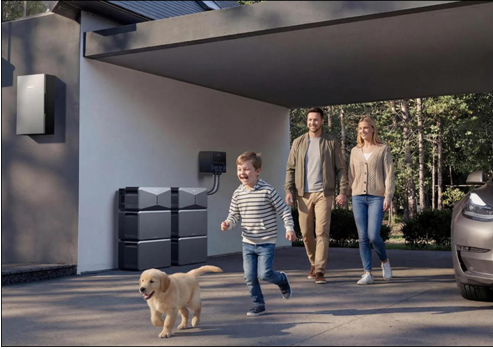
Climate control systems depend entirely on electricity, making backup power essential for true reliability. The whole house generators and integrated energy storage solutions keep heating, cooling, and refrigeration running during outages without forcing households to prioritize one appliance over another. In coordinated setups, solutions built around Anker SOLIX components can manage multiple energy inputs while delivering up to 7.6kW of continuous output, enough to support critical systems simultaneously. When paired with high-capacity battery modules, stored energy can bridge short outages quietly before a generator is needed. This seamless transition preserves indoor comfort and prevents the disruption that often accompanies unexpected power loss.
- A Structure Built to Endure
Weather-Resistant Roofing and Siding
The exterior of a home absorbs constant exposure to wind, rain, heat, and debris throughout the year. Weather-resistant roofing and siding act as the first line of defense, preventing moisture from reaching internal structures. Durable materials reduce the frequency of repairs and help maintain consistent indoor temperatures. This protection also preserves insulation and framing, extending the overall lifespan of the building. A strong exterior allows the rest of the home’s systems to perform reliably without hidden damage.
High-Quality Windows and Insulation
Windows and insulation play a critical role in maintaining indoor stability across seasons. Well-insulated walls and properly sealed windows prevent drafts that strain heating and cooling systems. Consistent temperatures also protect furniture, flooring, and electronics from humidity-related damage. High-quality insulation reduces noise from outside, contributing to a calmer living environment. Together, these features make daily life more comfortable while lowering long-term energy demand.
- Core Systems That Don’t Quit
Reliable Plumbing and Electrical Wiring
Plumbing and electrical systems support nearly every household activity, yet they are often overlooked until something goes wrong. Reliable plumbing delivers steady water pressure and minimizes the risk of leaks that could damage walls or flooring. Modern electrical wiring safely supports today’s appliance-heavy homes without overheating or frequent circuit trips. When these systems are designed correctly, they require less maintenance and fewer emergency repairs. Dependability in these core systems allows daily routines to continue without interruption or concern.
Smart Home Technology for Proactive Management
Smart home technology enhances reliability by identifying issues before they escalate into serious problems. Sensors can monitor temperature changes, unusual power usage, or early signs of water leaks. These alerts allow timely intervention, often preventing costly repairs or downtime. Automation can also optimize energy use by adjusting systems based on real-time conditions. Over time, proactive management makes the home easier to maintain and more responsive to everyday needs.
- Safety and Security You Can Trust
Robust Home Security Systems
A reliable home provides peace of mind by consistently protecting occupants and property. Modern security systems integrate monitoring and alert mechanisms that function continuously without frequent manual input. Reliability matters more than complexity, as dependable systems deliver accurate notifications when they are truly needed. Well-integrated solutions reduce false alarms while maintaining effective coverage. This consistency allows occupants to focus on daily life rather than constant security concerns.
Protection Against Water and Fire Damage
Water leaks and fire hazards pose significant risks to long-term home reliability. Early detection systems can identify problems before damage spreads through walls or flooring. Automatic shutoff features help limit loss by responding immediately to abnormal conditions. These safeguards also protect personal belongings that may be difficult or impossible to replace. Reliable protection systems preserve both safety and property value over time.
- Sustainable, Cost-Effective Living
Energy and Water Efficiency
Efficiency strengthens reliability by reducing strain on home systems. Energy-efficient appliances operate at lower temperatures and with less mechanical stress. Water-efficient fixtures reduce pressure on plumbing while lowering utility bills. These efficiencies accumulate over time, resulting in smoother system performance. Sustainable design choices support a balance between comfort, cost control, and long-term dependability.
Low Maintenance for Long-Term Value
Low-maintenance materials and systems contribute directly to a home’s reliability. Durable finishes and components reduce the need for frequent repairs or replacements. Predictable maintenance schedules make budgeting easier and prevent unexpected disruptions. This stability allows occupants to enjoy their living space without constant upkeep. Over the long term, low-maintenance design becomes a clear indicator of lasting value.
Conclusion
A home that feels reliable year-round is built on coordination between structure, systems, and thoughtful technology choices. Consistent climate control, dependable power, durable construction, and proactive safety measures work together to support daily life. When these elements are planned with real-world use in mind, they reduce stress and prevent avoidable disruptions. Reliability ultimately means confidence that the home will respond as expected, even under pressure. This quiet dependability is what transforms a house into a stable and comfortable place to live throughout every season.