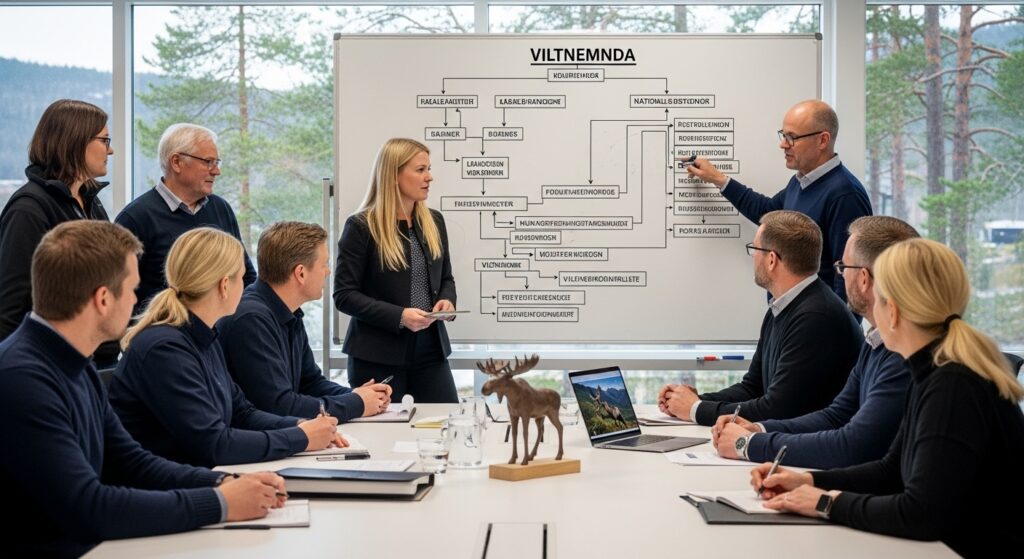
The viltnemnda is a municipal wildlife board in Norway responsible for managing local wildlife populations, regulating hunting practices, handling conflict situations, and ensuring sustainable coexistence between humans and animals. As the interface between national wildlife laws and local ecological needs, the viltnemnda plays a crucial role in shaping how Norwegian municipalities protect, monitor, and interact with native species.
This article explores the board’s structure, daily responsibilities, decision-making processes, and the growing importance of its work in modern wildlife governance.
Understanding the Purpose of the Viltnemnda
The viltnemnda operates under the Wildlife Act (Viltloven) and functions as the municipality’s expert advisory group for wildlife issues. Its members are usually appointed by local councils and include individuals with knowledge of hunting, ecology, and local environmental conditions.
While the national government sets broad wildlife regulations, the viltnemnda ensures these guidelines are applied correctly and efficiently at the municipal level.
Key Responsibilities of the Viltnemnda
Setting Local Hunting Quotas
One of the viltnemnda’s primary roles is determining sustainable hunting quotas for species such as moose, deer, and other game animals. These decisions rely on:
-
Population surveys
-
Habitat assessments
-
Harvest statistics
-
Ecological balance considerations
By adjusting quotas yearly, the viltnemnda helps maintain healthy wildlife populations while supporting traditional hunting practices.
Managing Wildlife Conflicts
As human activity expands into natural areas, conflicts between wildlife and residents become more common. The viltnemnda assesses reports involving:
-
Moose or deer near residential zones
-
Crop damage
-
Wildlife entering traffic routes
-
Dangerous animal encounters
The board provides recommendations and implements measures to protect both animals and people.
Handling Wildlife-Vehicle Accidents
Norway experiences thousands of road accidents involving large animals each year. The viltnemnda coordinates efforts to:
-
Dispatch wildlife response teams
-
Track injured animals
-
Document incidents
-
Implement preventive measures in high-risk areas
Fast and coordinated action reduces animal suffering and increases road safety.
Monitoring Wildlife Health
Population monitoring is essential for responsible wildlife management. The viltnemnda gathers data through:
-
Field observations
-
Hunter reports
-
Carcass examinations
-
Collaboration with wildlife researchers
This information helps identify trends, potential diseases, and changes in wildlife behavior.
Viltnemnda and Local Community Collaboration
The success of the viltnemnda depends heavily on cooperation with local stakeholders.
Working With Hunters
Hunters play a key role in population control and data collection. Their observations regarding wildlife numbers, migration patterns, and animal health help the viltnemnda make informed decisions.
Supporting Farmers and Landowners
Wildlife can cause significant agricultural damage. The viltnemnda assists farmers in creating preventive strategies such as fencing, adjusted feeding practices, and population management to reduce conflicts.
Educating the Public
The board also provides guidance to residents on how to behave around wildlife, report incidents, and reduce risk in areas frequently visited by animals. Community education helps promote understanding and coexistence.
Modern Tools and Technology Used by the Viltnemnda
Digital Mapping and GPS Data
Modern mapping systems allow the viltnemnda to track migration routes, identify accident hotspots, and assess habitat conditions more accurately.
Camera Traps and Motion Sensors
Camera technology helps monitor wildlife with minimal disturbance. These tools capture valuable data on species activity, population density, and nocturnal behavior.
Electronic Reporting Platforms
Digital tools enable quick reporting of wildlife sightings, conflicts, or accidents, improving communication between hunters, police, and municipal authorities.
Environmental and Conservation Role
The viltnemnda helps maintain ecological balance by ensuring wildlife populations do not exceed the carrying capacity of their habitat. This includes:
-
Preventing overgrazing
-
Protecting biodiversity
-
Maintaining predator-prey balance
-
Preserving forest health
Their decisions reflect long-term sustainability rather than short-term gains.
Responding to Climate and Environmental Change
Climate change is altering wildlife behavior, migration patterns, and food availability. The viltnemnda must adapt by:
-
Updating quota decisions
-
Monitoring new species movements
-
Preparing for increased wildlife-human interactions
-
Adjusting conflict management strategies
These adjustments ensure wildlife governance remains effective under changing environmental conditions.
Legal Framework and Compliance
The viltnemnda operates within a clear legal structure, including:
-
Viltloven (Wildlife Act)
-
Naturmangfoldloven (Nature Diversity Act)
-
Hunting regulations and municipal policies
Compliance with these laws ensures that wildlife management is fair, transparent, and environmentally responsible.
Challenges Facing the Viltnemnda Today
Rising Traffic and Wildlife Collisions
With more roads and increased traffic, wildlife accidents pose growing safety challenges. The viltnemnda must develop new methods to reduce collision risks.
Urban Expansion
As towns expand into natural habitats, the overlap between wildlife areas and human settlements creates new conflict scenarios.
Public Debates
Wildlife management—especially concerning predators, hunting quotas, or culling—often sparks strong public opinions. The viltnemnda must balance scientific recommendations with community values.
The Future of the Viltnemnda
The role of the viltne mnda is expected to grow in complexity as environmental changes accelerate. Future strategies may include:
-
Greater use of artificial intelligence in wildlife tracking
-
Expanded collaboration with scientists and conservation groups
-
More comprehensive public education programs
-
Enhanced digital infrastructure for reporting and monitoring
With continued development, the viltnemnda will remain a cornerstone of Norway’s wildlife governance.
Conclusion
The viltnemnda plays an essential role in ensuring sustainable wildlife management, promoting coexistence, and maintaining ecological balance across Norwegian municipalities. Through quota setting, conflict handling, monitoring, and community cooperation, the board supports both environmental stewardship and public safety. As challenges evolve, the viltnemnda’s expertise and adaptability will be increasingly important in shaping the future of wildlife management in Norway.