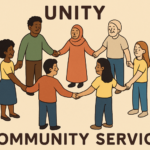

Assimilation is a concept that stirs deep emotions and sparks intense discussions. It’s about how individuals from diverse backgrounds come together, blending their unique identities into a larger cultural tapestry. This process can be both enriching and challenging, shaping the very fabric of society.
In a world marked by migration and globalization, understanding assimilation has never been more crucial. It goes beyond mere acceptance; it reflects our capacity for empathy and connection in an increasingly interconnected landscape.
As we embark on this journey to explore assimilation, we’ll uncover its historical roots in the United States, examine its impact on individuals and communities, and differentiate between true cultural integration versus forced conformity. We will also highlight the challenges faced by immigrants as they navigate this complex terrain while celebrating successful examples of cultural fusion along the way.
Join us as we delve deeper into what assimilation means today—because it’s not just about blending in; it’s about finding common ground amidst our rich diversity.
The History and Evolution of Assimilation in the United States
The story of assimilation in the United States traces back to its early days. European settlers sought a new life, blending their traditions with Indigenous cultures. This initial encounter set the stage for future interactions.
As waves of immigrants arrived throughout the 19th and early 20th centuries, each group faced pressure to adopt American customs. The Irish, Italians, and Jews all navigated this complex landscape while striving to maintain their identities.
Government policies played a significant role too. Programs aimed at promoting “Americanization” often emphasized English language acquisition and civic education. These efforts were designed to unify diverse populations under one national identity.
Over time, resistance emerged against forced assimilation practices. Movements advocating for multiculturalism began celebrating cultural diversity rather than suppressing it. Today’s conversations around assimilation reflect these historical tensions as society continues grappling with identity within a melting pot framework.
The Impact of Assimilation on Society and Individuals
Assimilation profoundly affects both society and individuals. For many immigrants, it means adapting to new cultural norms while trying to retain their own heritage. This balancing act can lead to a rich tapestry of multiculturalism.
On an individual level, successful assimilation often opens doors to better job opportunities and social mobility. However, it may also result in identity struggles as people navigate between two worlds.
For society, the impact is multifaceted. A diverse population can enhance creativity and innovation but might also spark tensions over cultural differences. These dynamics shape community relationships and influence policy decisions.
Moreover, assimilation can foster unity by creating shared values among diverse groups. Yet there’s always the risk that unique cultural identities might diminish in the process, leading to a homogenized culture lacking depth.
Understanding these impacts is essential for fostering inclusive communities where everyone feels valued and respected.
Cultural Integration vs. Forced Assimilation
Cultural integration and forced assimilation are often misunderstood concepts. Cultural integration fosters a harmonious blend of different traditions, languages, and practices. It allows communities to coexist while celebrating their unique identities.
On the other hand, forced assimilation involves coercing individuals to abandon their cultural roots. This approach can lead to loss of identity and resentment. People subjected to such pressures often feel alienated in both their new environment and among their own heritage.
Integration encourages dialogue and understanding between diverse groups. It promotes respect for individual differences while discovering common ground.
Forced assimilation stifles creativity and individuality, suppressing the rich tapestry that makes societies vibrant. When cultures merge naturally rather than through pressure, they create stronger bonds within communities. The result is a more inclusive society where everyone has a voice at the table.
Challenges Faced by Immigrants in the Assimilation Process
Immigrants often encounter a myriad of challenges during the assimilation process. Language barriers can make communication difficult, hindering their ability to connect with others and access essential services.
Cultural differences also pose significant obstacles. Newcomers may struggle to navigate social norms that feel foreign or confusing. This can lead to feelings of isolation and frustration.
Furthermore, economic hurdles are common. Many immigrants face difficulties in finding jobs that match their skills or education levels, which can stifle both personal growth and community integration.
Discrimination remains a persistent issue as well. Negative stereotypes and biases can create an unwelcoming environment, making it harder for individuals to establish roots in their new communities.
Support systems vary widely; some immigrants have family networks while others do not. A lack of support makes the adjustment period even more daunting for those trying to embrace their new lives.
Successful Examples of Cultural Integration
Cultural integration shines through in many vibrant communities around the world. One remarkable example is Canada, where multiculturalism is celebrated. The nation encourages immigrants to maintain their cultural identities while contributing to a shared Canadian experience.
Another inspiring case can be seen in New York City. This melting pot thrives on diversity. Neighborhoods like Chinatown and Little Italy showcase how various cultures coexist harmoniously, enriching local traditions with unique flavors and customs.
In Australia, festivals like Harmony Day highlight the importance of inclusivity. These events foster understanding among different ethnic groups while promoting respect for diverse backgrounds.
Even within workplaces, businesses that embrace cultural integration often see enhanced creativity and innovation. Diverse teams bring fresh perspectives that drive success across industries.
Overcoming Barriers to Assimilation
Overcoming barriers to assimilation can be a daunting task for many immigrants. Language often poses the first challenge. Mastering a new tongue opens doors to communication and connection, fostering relationships within the community.
Access to education plays a crucial role as well. Educational institutions should provide support tailored to diverse backgrounds, ensuring that all students feel included and valued. Programs that emphasize cultural sensitivity can bridge gaps between different groups.
Social networks are vital too. Building friendships with individuals from both native and host cultures creates understanding and acceptance. Local organizations or community centers often serve as safe havens where newcomers can find resources.
Empathy is essential in this journey. When existing communities embrace diversity, they pave the way for richer experiences for everyone involved. This mutual effort nurtures an environment where assimilation becomes a shared goal rather than an isolated struggle.
Conclusion
Assimilation is a complex and multifaceted process that shapes the lives of individuals and communities. Understanding its nuances helps us appreciate the rich tapestry of cultures within society. As we navigate through history, it becomes evident that assimilation has evolved significantly in the United States, influencing not just immigrants but also the broader cultural landscape.
The impact on individuals can be profound, as they balance their heritage with new societal norms. Striking this balance fosters both challenges and opportunities for growth. The difference between cultural integration and forced assimilation highlights the importance of voluntary participation in embracing diversity while respecting one’s roots.
Immigrants often face numerous obstacles along their journey toward assimilation—language barriers, discrimination, or economic hardship are just a few examples. Yet there are many inspiring stories showcasing successful cultural integration across various communities, proving that resilience prevails even against adversity.
Overcoming these barriers requires effort from both immigrants and established societies alike. Encouraging dialogue and understanding can create an environment where all cultures thrive side by side.
As our world continues to evolve with ever-increasing globalization, recognizing and addressing the intricacies of assimilation will play a crucial role in fostering inclusivity for years to come.