Relocating to Whangārei, a city surrounded by stunning coastline and hilly terrain, involves more than simply packing boxes. Large furniture, appliances, and equipment present significant logistical challenges that are amplified by coastal conditions such as salt air, humidity, and narrow access points. Whether you’re moving locally or further afield, the following targeted tips will help you manage large-item moves efficiently and safely.
Work With an Experienced Furniture Moving Team
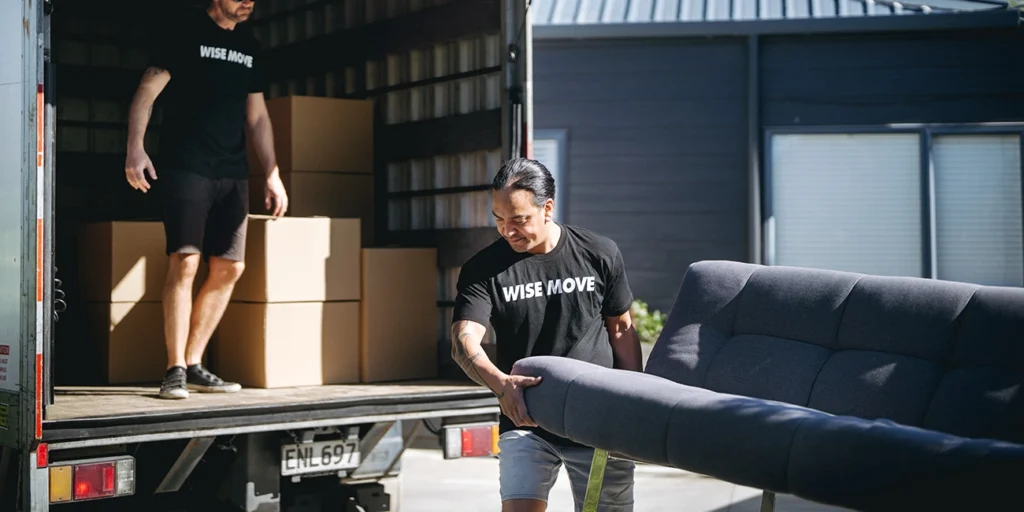
One of the most effective ways to ensure a smooth move is to partner with an experienced furniture moving team in Whangārei. These professionals understand the nuances of navigating local streets, steep driveways, and waterfront properties—environments that are rarely ideal for transporting bulky or delicate items.
They come equipped with the right tools and techniques for safely handling oversized goods and are prepared to adapt to sudden changes in weather or access conditions. Local knowledge means fewer delays, less risk of damage, and a more efficient move from start to finish.
Choose Weather-Appropriate Days for Moving
Coastal weather can change rapidly in Whangārei. Salt-laden winds, high humidity, and spontaneous showers are common, and all can impact large items during loading and unloading. Planning your move for a day with stable weather isn’t just ideal—it’s essential.
Avoid afternoons when sea breezes typically intensify, and check regional forecasts frequently in the lead-up to moving day. If delays arise, it’s better to postpone than risk exposing your items to moisture or wind damage.
Prepare and Protect Items Against Salt and Humidity
Whangārei’s coastal air carries fine salt particles and moisture that can be harmful to metal surfaces, electronics, and timber furniture. To prevent corrosion, warping or electrical issues, all large items should be properly sealed and padded.
Wrap furniture in moisture-resistant coverings, and use moving blankets underneath to avoid condensation. Electronics and appliances should be placed in original packaging if available, or double-boxed with silica gel packets for humidity control. It’s also wise to polish timber surfaces before the move to add an extra layer of protection.
Measure Access Points Before Move Day
It’s easy to underestimate how difficult it is to manoeuvre a sofa or fridge through a coastal property in Whangārei, especially when dealing with multi-level homes or steep sections. Measuring doorways, hallways, staircases, and lift clearances in advance will help you plan the best path through the property.
For items that don’t fit, dismantling might be necessary, or in more complex cases, arranging for lifting equipment or balcony access. Avoiding last-minute surprises on moving day is critical, particularly when working against coastal time pressures like incoming tides or restricted street parking.
Dismantle Furniture for Easier Handling
Large items such as beds, wardrobes, and dining tables are often easier—and safer—to move when dismantled. This is especially useful in Whangārei, where sloping sites and tight spaces are common, and precision handling is more important than brute strength.
Disassemble furniture the day before your move, and keep all parts, hardware, and assembly tools in clearly labelled bags. Wrap individual components in protective padding to guard against moisture and impact, and photograph each item beforehand in case reassembly support is needed later.
Factor in Coastal Moving Costs Before Committing
When moving large items in Whangārei, the overall cost can be influenced by more than just distance or time. Quotes often account for factors like access difficulty, special handling requirements, and even dimensional weight, especially for bulky furniture that occupies more vehicle space than its actual mass would suggest.
Coastal locations may also incur added fees if hoisting or multiple crew members are needed to manage awkward access points. Requesting a clear breakdown of these potential charges helps you plan a move that stays within budget and avoids last-minute cost surprises.
Stage Heavy Items Near Accessible Entry Points
Wherever possible, move large items closer to the most accessible entry or exit point ahead of time. In Whangārei’s coastal neighbourhoods, where driveways are often narrow or steep, reducing the number of obstacles between the item and the vehicle is crucial.
This staging approach also allows you to load the most difficult items first, ensuring they are secured properly without being rushed. By the time lighter items are loaded, fatigue has likely set in—so dealing with the biggest challenges early is a practical advantage.
Mastering Coastal Moves with Confidence
Relocating heavy, oversized belongings in coastal Whangārei calls for careful planning, environmental awareness, and attention to detail. By applying these focused tips and engaging the right local expertise, you can minimise risk, avoid common pitfalls, and ensure your large items arrive intact—ready to be placed and enjoyed in your new home.