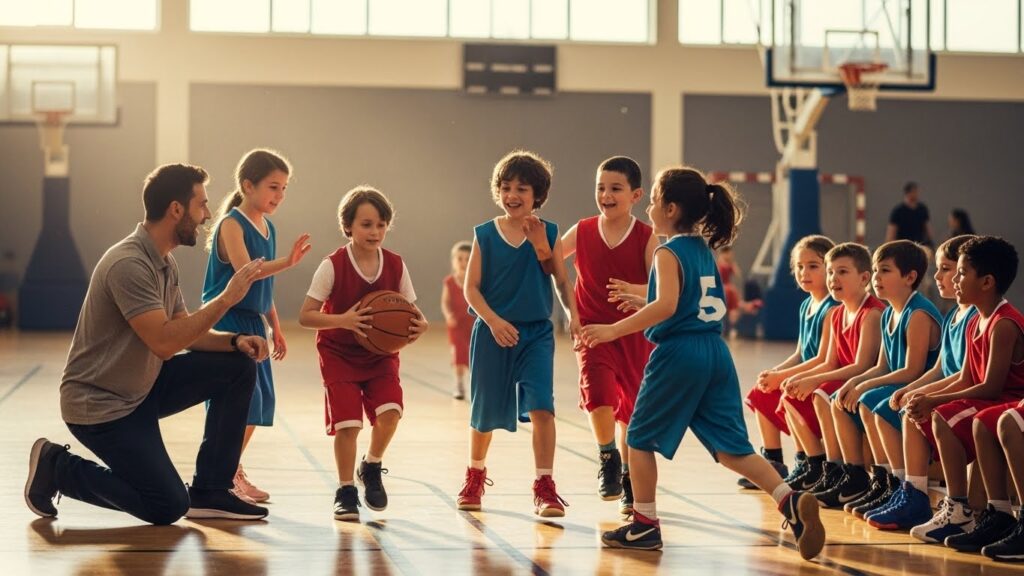
Participating in youth basketball programs offers more than just a way for kids and teens to stay active; it’s also a powerful tool for cultivating vital life skills that will benefit them for years to come. Not only do these programs promote physical health, but they also lay a foundation for future success by nurturing teamwork, communication, and leadership alongside sport-specific abilities. When young athletes join a youth basketball program, they immerse themselves in a structured and supportive environment that serves as the perfect setting for developing mentally, emotionally, and socially. For example, the Sharks Basketball Academy in Melrose Park, IL, serves as a beacon for youth development in the Chicagoland area, utilizing real competition, expert coaching, and well-planned training sessions to transform children into confident athletes equipped to face challenges both on and off the court.
Teamwork and Communication
Effective communication is the glue that holds teams together, especially in a fast-moving, strategic sport like basketball. Within every game and practice, players must talk constantly on the court to call out plays, warn of screens, signal defensive shifts, or encourage each other through tough moments. These habits form the foundation of seamless team coordination, enabling all members to be on the same page during high-pressure situations. Off the court, strong communication fosters a positive and united team culture, where players feel their voices are heard and respected. Building these skills often starts with coaches encouraging open dialogue and creating opportunities for team members to express themselves. For instance, many drills not only focus on technical skills but also require players to use verbal cues—such as calling for a pass, directing a teammate to a screen, or communicating during a defensive rotation. Emphasizing these skills at a young age lays a crucial foundation for effective group cooperation, far beyond basketball settings, such as in school projects or family activities.
Personal Growth and Leadership
Youth basketball programs play a crucial role in helping players develop on a personal level. Beyond skill development, these programs empower youth to discover and refine their leadership abilities through hands-on experiences. When a player is named team captain, asked to lead warm-up routines, or encouraged to help newcomers learn the ropes, they begin to develop a sense of responsibility for themselves and for the group’s success. Taking on leadership roles means learning to make decisions under pressure, motivate teammates, and represent one’s peers both in victory and defeat. All these experiences build resilience and self-confidence—qualities that are immensely beneficial in all areas of life, whether they’re navigating a tough school project, starting their first job, or simply facing everyday challenges.
Leadership development is not only about being the loudest or most skilled; it’s also about learning to listen, support others, and lead by example. Basketball naturally fosters a democratic environment in which leadership is shared and fluid—sometimes leadership comes from the star scorer. Still, other times it’s the player who lifts spirits after a tough loss or helps organize the team off the court who has the most profound impact. Because of this, basketball programs encourage all participants to develop their voice and find ways to positively influence their peers, even if they don’t wear the captain’s armband.
Building Trust and Camaraderie
Trust forms the foundation of effective teamwork. In every game, youth basketball players must rely on one another to execute plays, implement game strategies, and adapt to ever-changing situations. Whether it’s trusting a teammate to make a successful pass, set a solid screen, or be in the right place for a rebound, every player’s confidence in their teammates strengthens the group as a whole. This mutual reliance brings teams closer together and transforms teammates into friends. As players learn to rely on one another, they also understand the flip side: to be reliable and consistent themselves. Coaches often foster trust by creating team-building activities, encouraging open expression of ideas, and ensuring everyone feels valued—regardless of ability or playing time.
Over time, teammates who practice, play, and travel together build bonds that can last a lifetime. Basketball often attracts children from diverse backgrounds, making it an ideal environment for kids to learn respect and understanding for others. Working through wins and losses together, overcoming obstacles as a team, and sharing in the thrill of competition all contribute to lasting friendships and a sense of belonging. Team huddles, collective celebrations, or moments of perseverance after a loss all serve to deepen those bonds. In these moments, basketball becomes more than just a game—it’s a catalyst for social growth and emotional maturity.
Structured Environments
Structured environments in youth basketball programs play a crucial role in fostering holistic growth. Clearly-defined rules, consistent schedules, and thoughtful routines provide young athletes with a sense of stability and security, especially in a world full of distractions and unpredictability. Within these structured settings, players learn important values such as discipline, respect for authority, and adherence to guidelines. Practice sessions start and end on time, drills must be completed with focus, and everyone knows what is expected of them. This consistency helps kids understand the importance of reliability and personal responsibility—traits essential not only in sports but in every facet of life.
Furthermore, these programs often create a space where youth can safely take risks, make mistakes, and learn from them without fear of harsh judgment. When kids know the environment is supportive, and objectives are clear, they’re more inclined to stretch their abilities, ask questions, and embrace challenges. Structured programs also provide mentorship opportunities, as older players or coaches guide and encourage younger athletes, ensuring everyone feels included and valued. Beyond the gym, these lessons in structure and discipline translate to improved academic performance, better time management, and increased self-motivation, equipping young participants for whatever the future may hold.
Final Thoughts
Youth basketball programs play a crucial, transformative role in the lives of young athletes. By emphasizing teamwork, communication, leadership, trust, and the importance of a structured environment, these programs create a solid foundation for both athletic achievement and overall personal development. The skills developed on the basketball court—whether it’s learning to work as a cohesive unit, stepping up to lead a group, or trusting peers—remain valuable long after the final whistle blows. Ultimately, participation in youth basketball is about much more than winning games; it’s about preparing children for a successful, fulfilling, and connected life.