Preparing your home for unforeseen situations is a vital step in ensuring your family’s security and your property’s durability. From severe weather events to sudden emergencies, taking action in advance can significantly lessen the impact these events may have. An important part of preparation is understanding proper home Insurance options, as well as following recommended safety measures. With thoughtful planning and consistent maintenance, you can make your home more resilient to anything unexpected.
Getting proactive doesn’t just protect your investment; it provides peace of mind. By knowing what to look for and how to respond, you’ll be better equipped to prevent problems before they start. Prevention, preparation, and awareness can make all the difference when disasters strike or unpredictable events arise.
Conduct Regular Home Maintenance
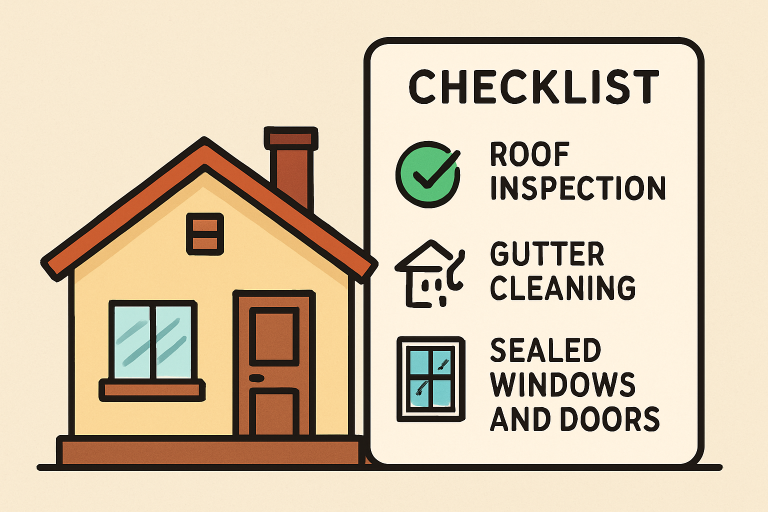
Ongoing maintenance is one of the most effective defenses against the unexpected. Start by inspecting your roof for cracked or missing shingles, as even minor wear can lead to serious leaks during storms. Clean out your gutters regularly to avoid water damage, and ensure all windows and doors are tightly sealed to prevent drafts and water intrusion. Regular checkups on these key features keep your home structurally sound, no matter what comes your way.
 Don’t forget the less visible parts of your home. Check basements or crawl spaces for signs of moisture, and look for cracks in your foundation. Also, replace filters in your HVAC system regularly to maintain healthy indoor air quality. Scheduling these maintenance checks with each change of season can help catch small issues before they become major problems.
Secure Outdoor Items
During storms or high wind events, unsecured outdoor items can quickly become projectiles that may cause serious damage. To prevent this, store things like patio furniture, grills, and garden decorations in a shed or garage whenever severe weather is forecasted. Using anchors or tie-downs to secure items can help, and having adequate auto insurance can provide extra protection in case of vehicle damage. These simple actions not only protect your own property but also help keep your neighborhood safer.
Assemble an Emergency Kit
An emergency kit is your first line of defense during a crisis. Stock it with at least three days’ worth of non-perishable food and water, as well as medications, a flashlight, batteries, a first-aid kit, spare clothing, and important documents. Keep your kit in an easily accessible location. Don’t forget cell phone chargers and extra blankets, especially if you live in an area prone to power outages.
Keeping your kit updated and ensuring all family members know where it is allows you to react quickly in case you need to shelter in place or evacuate.
Develop a Family Emergency Plan
Emergencies can disrupt communication and routines. Designate a safe meeting spot in case your family gets separated, and agree on the best ways to communicate if local networks are down. Teach young family members important phone numbers and make sure everyone participates in regular practice drills so you all know what to do in an emergency.
Your plan should also include knowing the quickest routes out of your home and your neighborhood, as well as a list of local shelters. Make sure your pets are factored into the plan, with supplies set aside for their needs as well. The American Red Cross provides guidelines on how to create an emergency plan tailored to your family’s needs.
Review and Update Insurance Coverage
Insurance is a vital part of recovering from unexpected events. Review your policy regularly to ensure it covers risks relevant to your location, such as flooding or earthquakes. Standard homeowner’s policies might not cover every possible scenario, so talk to your provider about additional coverage where needed. Check coverage limits and deductibles to make sure they reflect your current needs.
A clear understanding of your policy helps speed up claims and recovery efforts after a disaster. Keep your insurance agent’s contact information among your emergency documents for quick access when needed.
Document Your Belongings
Creating an inventory of your personal possessions is helpful for both peace of mind and navigating insurance claims. Take photos or videos of valuable items, and store receipts if possible. Use a digital platform or cloud storage to back up your inventory list. This additional documentation allows you to provide proof of ownership and condition after a loss, making the claims process smoother and quicker.
Stay Informed
Register for local emergency alerts so you’re never caught off guard by natural disasters or urgent events. Pay attention to weather forecasts through trustworthy outlets, and keep a portable radio on hand for updates if power or internet service is lost. Being informed allows you to act quickly, whether evacuating your home or sheltering in place.
Final Thoughts
Being proactive is the best way to safeguard your home and family from unexpected events. From regular maintenance checks to straightforward steps like compiling an emergency kit or reviewing your insurance policy, these actions foster greater confidence and readiness. By investing a little time and attention up front, you make your home stronger and your loved ones safer, no matter what the future may hold.