
Introduction
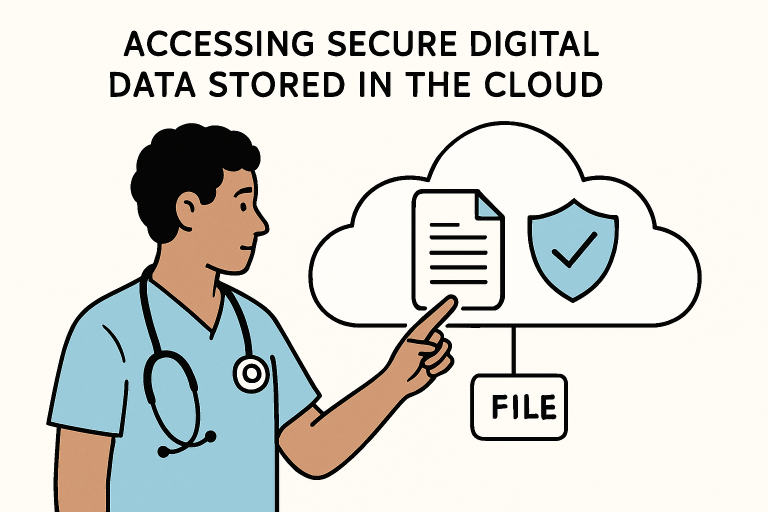
Healthcare organizations around the world are grappling with the challenge of managing and safeguarding huge volumes of sensitive patient information. As the sector embraces advancements like electronic health records and digital imaging, the question of how to future-proof medical data archiving solutions has become more urgent than ever. Effective data archiving is more than just storage; it is about ensuring information remains accessible, secure, and compliant with evolving laws and standards.
Relying on outdated or fragmented archiving systems can lead to data loss, reduced efficiency, and non-compliance risks. Forward-thinking healthcare leaders must adopt new approaches that address both current demands and future growth, enabling seamless scaling, integration, and regulatory alignment. The right archiving solution also sets the stage for utilizing data in transformative ways, improving care outcomes, and supporting innovative healthcare delivery models.
The Growing Need for Advanced Data Archiving
The healthcare industry is experiencing a staggering increase in data volume, driven primarily by the widespread adoption of electronic health records (EHRs), high-resolution medical imaging, connected devices, and patient-generated health data. Studies highlight that healthcare data is growing faster than in any other sector, with predictions from the International Data Corporation (IDC) indicating that the volume of healthcare data will reach 2,314 exabytes by 2025. Traditional archiving systems, such as on-premises tape and siloed databases, are no longer sufficient. These legacy solutions are often inefficient, costly, and prone to failure, thereby putting patient care and organizational compliance at risk.
To effectively manage this explosion in data, healthcare organizations are turning to cloud-based storage, hybrid models, and intelligent archival technologies. These solutions support dynamic storage needs and facilitate rapid retrieval regardless of data type or age, which is vital for both clinical decision-making and regulatory compliance.
Modern Data Management Platforms
Given the vast, complex nature of today’s healthcare data, modern, vendor-neutral data management platforms have become essential. These platforms provide real-time visibility into data assets, making it easier to monitor metadata, file provenance, and access patterns. Through a single pane of glass, IT leaders can review which files are most accessed, who owns specific datasets, and when each was last used. This granular insight is key to optimizing storage strategies, determining what data to archive, and identifying redundant or outdated information that can be securely deleted.
By leveraging advanced management tools, organizations can avoid unnecessary storage costs, reduce security vulnerabilities, and ensure sensitive information is archived in accordance with best practices and legal requirements. The right platforms also support seamless data migration and interoperability, which is especially important when acquiring new healthcare technology or merging with other healthcare providers. For a broader perspective on how data management advancements are shaping the health industry, the Office of the National Coordinator for Health Information Technology (ONC) provides valuable resources and case studies.
Integrating AI and Blockchain Technologies
Emerging technologies such as artificial intelligence (AI) and blockchain are redefining the boundaries of what is possible in healthcare data archiving. AI-driven solutions can automate data classification and indexing, improve search accuracy, and rapidly identify meaningful trends across vast archives. For example, AI can flag anomalous access patterns that may signal data breaches, or it can group similar datasets to simplify compliance workflows.
Blockchain goes a step further by providing a decentralized, immutable ledger for healthcare transactions and data access. This technology offers tamper-proof record-keeping, thereby enhancing data integrity and laying a strong foundation for secure, auditable archiving. A study published in the journal Blockchain in Healthcare Today explores how integrating blockchain with AI and IoT is revolutionizing EHR security and overall management efficiency. For more insights, Forbes Tech Council offers expertise on this topic.
Ensuring Regulatory Compliance
Regulatory compliance is a top concern in healthcare data management, with guidelines like the Health Insurance Portability and Accountability Act (HIPAA) dictating how patient data should be stored and accessed. Effective archiving solutions must therefore deliver robust security features, including multi-level access controls, audit trails to monitor every data transaction, and strong encryption at rest and in transit. Automated compliance reporting can save organizations significant resources and reduce the likelihood of penalties due to human error or oversight.
Regular testing, updates, and audits are critical to ensure that data archiving systems remain aligned with both existing and emerging regulatory requirements. Investing in compliance-centric archiving platforms can also help organizations quickly adapt to changes, such as new privacy mandates or interoperability rules.
Implementing a Horizontally Integrated Approach
Healthcare systems often deal with fragmented repositories where different departments store their own records independently, resulting in data silos and inefficient collaboration. Transitioning to a horizontally integrated data archiving strategy addresses these challenges by creating a unified workflow across the entire enterprise. Under this model, information can move seamlessly between departments, enhancing care coordination, reducing duplication, and improving data security.
The benefits of this approach are supported by trends in other data-intensive industries, such as Media & Entertainment, where recent surveys reveal that the majority of organizations plan to eliminate silos in favor of integrated platforms. Healthcare providers can adopt similar horizontal strategies to ensure operational efficiency and a more holistic view of patient information. Integrated archives also support new models of collaborative care and referral networks, promoting better health outcomes across the continuum of care.
Conclusion
Future-proofing healthcare data archiving requires a proactive, multifaceted strategy. By adopting modern data management platforms, integrating advances in AI and blockchain, ensuring rigorous regulatory compliance, and moving toward horizontally integrated data environments, healthcare organizations can streamline processes, enhance security, and retain the flexibility needed for long-term growth. As the healthcare sector continues to evolve, these forward-thinking solutions will empower providers to harness the full potential of their data, ultimately improving patient experiences and outcomes.