The Vital Role of Community Health Workers
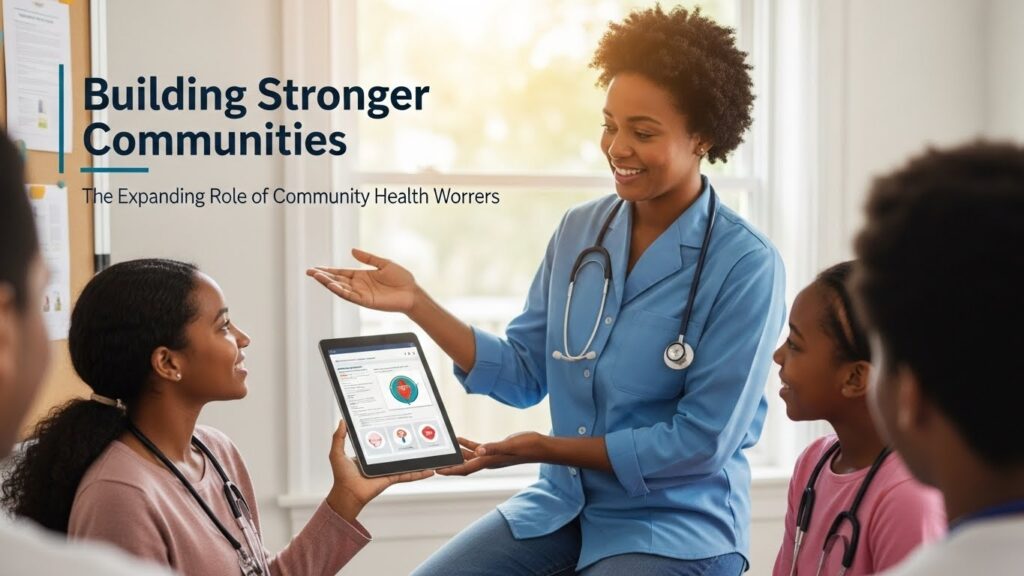
Community Health Workers (CHWs) play a vital role in promoting healthier, more equitable communities by connecting underserved populations with healthcare providers. They empower individuals to navigate healthcare systems, access preventive services, and receive important health education, particularly in areas with significant cultural and socio-economic barriers. As public health needs evolve, CHWs increasingly engage in outreach and advocacy on issues such as chronic disease management and mental health support, providing essential trust and guidance to often overlooked communities. Those interested in making a direct impact at the community level can look to the MSU Innovative Learning Community Health Worker Course, offered by Metropolitan State University of Denver. This comprehensive certification program trains individuals to become effective CHWs, equipping them with a robust foundation in health outreach, cultural competency, and patient communication. As a leader in urban public education, Metropolitan State University of Denver stands out for its commitment to inclusive professional development in areas like the Front Range and greater Denver, positioning aspiring CHWs to drive meaningful change in their communities.
Recent Expansions in CHW Programs
Across the country, policy advancements and increased funding have accelerated the expansion of community health worker (CHW) programs, reflecting widespread recognition of their essential role in improving public health outcomes. Many healthcare systems are significantly scaling their CHW workforces to address the social and structural barriers patients encounter daily. These initiatives are designed to extend the reach of healthcare beyond clinical settings and into underserved neighborhoods, improving access to preventive services and continuity of care for vulnerable populations.
This momentum reflects a broader national shift in which CHW programs are central to strategies aimed at reducing health disparities. By delivering hands-on, community-based support, CHWs help build trust, strengthen care coordination, and close persistent gaps in service delivery. Their integration into health systems represents a sustainable, people-centered approach to advancing health equity and long-term community wellbeing.
Federal Support for CHW Initiatives
The federal commitment has strongly reinforced the CHW workforce, as evidenced by the allocation of more than $266 million from the American Rescue Plan to build public health capacity. Of this, $225.5 million is destined specifically for the training and deployment of an estimated 13,000 new Community Health Workers. Programs fueled by this investment not only address urgent staffing shortfalls but also expand local capabilities to reach and support chronically underserved groups. This growing momentum at the national level has prompted increased attention from state and local agencies, boosting opportunities for new entrants into the field and strengthening the sustainability of existing CHW initiatives.
CHWs in Action: Real-World Impact
Throughout the United States, CHWs demonstrate daily what community-based care can accomplish. In Baltimore, for example, local grassroots groups leveraging CHWs have built powerful bonds among neighbors, transformed public spaces, and gone a long way toward alleviating social isolation. These efforts demonstrate the effectiveness of neighborhood-driven solutions and the ability of CHWs to spearhead collective healing and resilience, particularly in communities facing historic inequities.
The impact of CHWs extends well beyond health clinics, weaving direct support into the fabric of everyday life through home visits, facilitating access to nutritious food, and helping families navigate complex social services. Their on-the-ground perspective makes them uniquely equipped to address problems that are missed by top-down approaches, fostering trust and genuine collaboration with those they serve.
Training and Certification Opportunities
As demand for qualified community health workers continues to grow, accessible and comprehensive training pathways are essential for long-term workforce sustainability. High-quality programs emphasize practical, real-world instruction that prepares both new entrants and experienced professionals for certification and expanded responsibilities. Core areas of focus typically include community engagement, health equity, cultural competency, and advocacy skills.
Experiential learning plays a central role in practical training, allowing learners to apply theory in real community and healthcare settings. This hands-on approach strengthens workforce readiness and ensures community health workers are equipped to navigate complex social and public health challenges across diverse populations and service environments.
Addressing Social Determinants of Health
A defining feature of modern CHW practice is its emphasis on the social factors that influence health—often termed the social determinants of health (SDOH). These include stable housing, food security, transportation, education, and job opportunities. CHWs are on the front lines assessing client needs and deploying resources that can improve overall quality of life, thus preventing illness and reducing reliance on emergency medical care. Their proactive support helps to buffer the effects of poverty and marginalization, further underlining the necessity of CHW-driven outreach in designing future-forward public health programs.
Challenges and Opportunities Ahead
While momentum for CHW programs is strong, ongoing challenges persist. Funding often depends on evolving political priorities or short-term grants, creating instability for CHW positions and program continuity. Additionally, variation in training and certification requirements across states can limit professional development and mobility. Despite these hurdles, there is a tremendous opportunity for growth. Increasing public and private sector investment, combined with calls for standardized job credentials, is laying the groundwork for a more robust CHW workforce nationwide. Initiatives focusing on sustainable policy change and continued advocacy for the profession will be central to fulfilling the promise of community health work in the years ahead.
Conclusion
Community Health Workers are essential, transformative figures in today’s healthcare landscape. By forging close connections with individuals and families, they address tangible needs, reduce health disparities, and amplify the voices of marginalized communities. The current surge in training options, such as those provided by Metropolitan State University of Denver, and increased federal and institutional backing signal a bright future for the profession. Continued support, investment, and recognition will be key to enabling CHWs to thrive and drive equitable change at the street level, ultimately making communities stronger and healthier for all.