
Family conflicts are a common occurrence and, if handled well, can become an opportunity for growth rather than a source of resentment or ongoing tension. Understanding and proactively addressing the underlying causes of disputes can support more harmonious relationships over time. In situations where legal clarity is needed, families may benefit from contacting legal family counsel Oklahoma City, OK to help navigate more complex or persistent issues.
Successful conflict resolution within families often depends on adopting a supportive, non-adversarial approach. Developing empathy, practicing open communication, and seeking professional assistance when needed can be the foundation of healthier interactions. When families invest time in these practices, they are more likely to find balanced solutions and foster an environment of mutual respect and understanding.
In addition to personal strategies, exploring mediation or collaborative law can relieve stress and reduce costs compared to contentious litigation. The right approach will depend on the unique needs and dynamics of the family involved, but best practices can provide a helpful roadmap for resolving disagreements and preventing them from escalating.
Open Communication
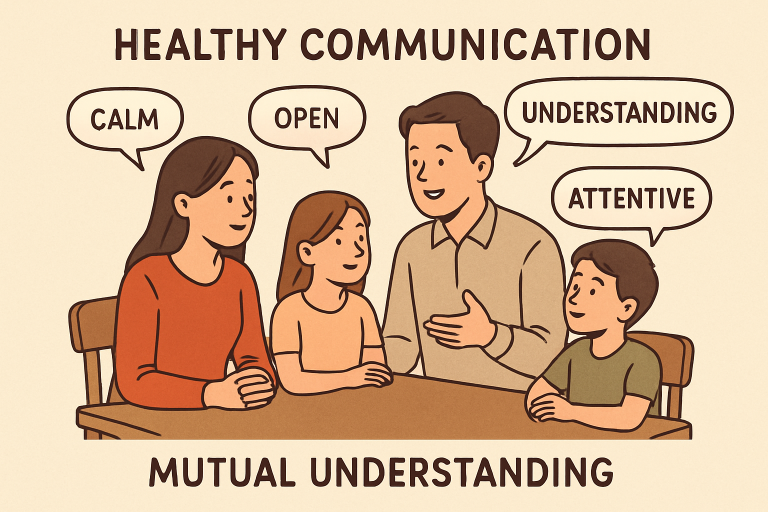
Creating an atmosphere where everyone feels safe to express themselves is fundamental for resolving conflict. Encouraging honest, respectful conversations allows family members to share their emotions and perspectives without fear of judgment. Practice active listening by repeating back what others say and asking clarifying questions. When people feel truly heard, misunderstandings can often be resolved before they develop into more serious disputes.
Establishing Boundaries
Clear and respected boundaries are essential for any healthy relationship. Everyone has different needs and limits, and addressing them openly helps prevent feelings of overwhelm or being taken advantage of. Schedule dedicated times to discuss expectations and revisit them as circumstances change. Respect for boundaries can reduce resentment and foster clearer, more respectful interactions. Establishing boundaries should always include mutual agreement to ensure everyone is comfortable and aligned with family norms.
Empathy and Understanding
Empathy is the ability to recognize and share another person’s feelings. Practicing empathy can dissolve hostility and bridge the gap between differing perspectives. When family members make an effort to understand each other’s feelings and motivations, it is easier to find solutions that meet everyone’s needs. This mindset is particularly helpful for addressing misunderstandings and preventing future conflicts. Simple gestures such as validating another’s emotional experience or expressing appreciation for their point of view can go a long way toward building trust.
Mediation and Professional Help
If internal efforts to resolve a conflict reach an impasse, involving a neutral third party can be a constructive step. Mediation is a confidential, voluntary process in which a professional mediator guides discussions, ensuring that everyone has a chance to contribute to potential solutions. According to the American Bar Association, mediation often leads to mutually satisfying outcomes and costs significantly less than litigation, both financially and emotionally. Counseling or family therapy may be appropriate for particularly entrenched issues or long-standing patterns of conflict.
Collaborative Law
Collaborative law provides an alternative to the adversarial court process for families dealing with legal disputes. In this model, all parties agree to work together with trained professionals, including attorneys, to reach a fair settlement. The emphasis is on problem-solving and addressing the needs of all family members, especially children. This approach minimizes the stress and disruption of litigation, helping families preserve relationships and focus on their future well-being.
 Formal Communication Channels
Implementing more formal communication systems can help families stay organized and reduce the risk of misunderstandings. Regular family meetings with set agendas or shared family calendars can help everyone stay informed about important plans and decisions. These systems promote accountability, ensure that all voices are considered, and reduce the likelihood of miscommunication. Transparency and regular check-ins provide opportunities to address concerns promptly before they escalate.
Practicing Patience
Resolving family disputes rarely happens overnight. Effective resolution requires patience and a willingness to revisit conversations as new insights arise. Avoid rushing to decisions, and give each person space and time to process the discussion. Being patient and persistent will help families work through differences at a sustainable pace, ensuring the solutions are lasting and agreeable for all involved.
Final Thoughts
Proactively applying these best practices empowers families to navigate disputes constructively and respectfully. By fostering open communication, empathy, clear boundaries, and seeking professional support as needed, families can resolve challenges while strengthening their bonds. With the right approach, conflicts can become opportunities for growth, leading to healthier, more resilient relationships.