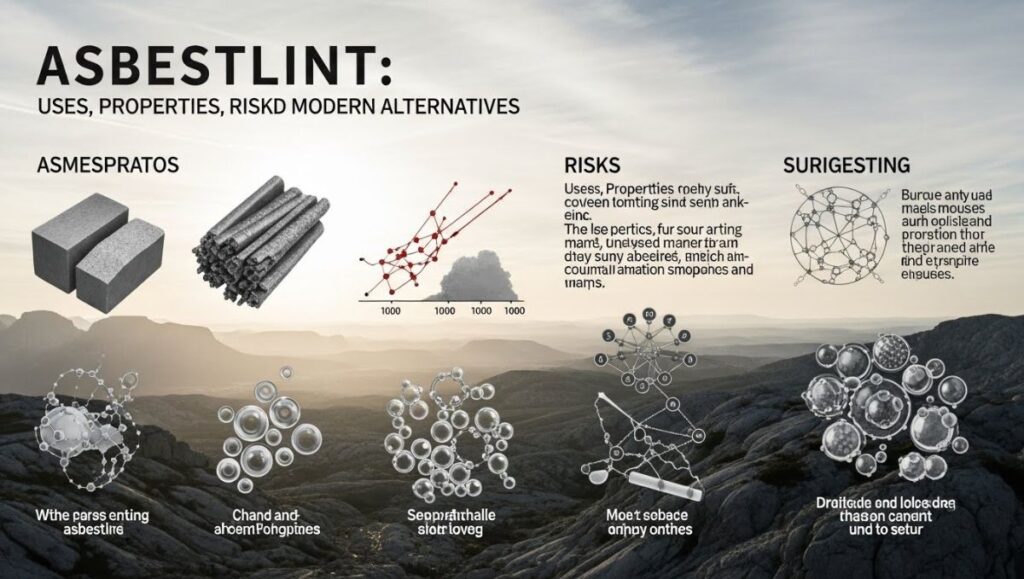
Asbestlint, commonly known as asbestos tape, has played a significant role in industrial, construction, and manufacturing sectors for much of the twentieth century. Valued for its exceptional heat resistance, durability, and insulating properties, asbestlint was once considered an indispensable material in environments exposed to high temperatures and mechanical stress. However, growing awareness of its health risks has drastically changed how it is perceived and used today. Understanding what asbestlint is, how it was used, and why it is now regulated or replaced is essential for both historical knowledge and modern safety awareness.
What Is Asbestlint?
Asbestlint is a woven or braided tape made from asbestos fibers. Asbestos itself is a naturally occurring group of silicate minerals known for their fibrous structure and resistance to heat, fire, and chemical damage. When these fibers are spun and woven into tape form, the result is a flexible, strong material capable of withstanding extreme temperatures without burning or degrading easily.
The tape was often white or off-white in appearance and came in various widths and thicknesses depending on its intended application. In some cases, asbestlint was reinforced with metal wires, such as brass or steel, to improve tensile strength and durability under heavy mechanical stress.
Historical Use of Asbestlint
The widespread use of asbestlint dates back to the late nineteenth and early twentieth centuries, when asbestos was hailed as a “miracle mineral.” During this period, industrialization was rapidly expanding, and there was a growing demand for materials that could endure high heat and harsh conditions.
Asbestlint became particularly popular in factories, power plants, shipyards, and construction projects. It was commonly used to insulate steam pipes, boilers, exhaust systems, and furnaces. In residential and commercial buildings, it was applied around heating ducts, fireplaces, and hot water systems to prevent heat loss and reduce fire risk.
Its affordability and long lifespan further contributed to its popularity. Once installed, asbestlint required little maintenance and could remain functional for decades, making it a cost-effective solution at the time.
Key Properties and Advantages
The reason asbestlint gained such widespread adoption lies in its unique physical and chemical properties. One of its most notable characteristics is its exceptional heat resistance. Asbestos fibers can withstand temperatures of several hundred degrees Celsius without melting or igniting, making the tape ideal for thermal insulation.
Another advantage is its fireproof nature. Unlike organic fibers, asbestos does not burn, which significantly reduced the risk of fire spreading in industrial settings. Asbestlint also provided good electrical insulation, which made it useful in certain electrical applications where heat buildup was a concern.
Additionally, the material was resistant to corrosion and chemical degradation. Exposure to oils, solvents, or moisture had little effect on its performance, allowing it to function reliably in demanding environments.
Common Applications in the Past
Asbestlint was used across a wide range of industries. In power generation facilities, it was wrapped around high-pressure steam pipes and turbines. In maritime settings, ships relied heavily on asbestos-based materials, including tape, to insulate engine rooms and exhaust systems.
The automotive industry also made use of asbestlint. It was sometimes applied around exhaust manifolds and other heat-generating components to protect nearby parts from excessive temperatures. In construction, the tape was used as a sealant and insulator in heating systems and fireproofing assemblies.
Because of its flexibility, asbestlint could be easily wrapped around irregular shapes, making it more versatile than rigid insulation materials.
Health Risks Associated With Asbestlint
Despite its many technical advantages, asbestlint poses serious health risks due to the nature of asbestos fibers. When intact and undisturbed, asbestos-containing materials may not immediately release fibers into the air. However, over time, wear, damage, or improper handling can cause fibers to become airborne.
Inhalation of asbestos fibers is linked to severe and often fatal diseases. These include asbestosis, a chronic lung condition caused by scarring of lung tissue, lung cancer, and mesothelioma, a rare but aggressive cancer affecting the lining of the lungs or abdomen. These diseases often have long latency periods, meaning symptoms may not appear until decades after exposure.
Asbestlint is particularly hazardous when it becomes frayed, cut, or removed without proper safety measures. The tape’s woven structure can release fine fibers easily when disturbed, increasing the risk of inhalation.
Regulation and Legal Restrictions
As scientific evidence of asbestos-related health risks became undeniable, governments around the world began implementing regulations to control or ban its use. In many countries, the manufacture and sale of asbestlint are now strictly prohibited or heavily restricted.
Regulatory frameworks often require professional assessment and removal of existing asbestos materials in buildings and industrial facilities. Specialized contractors with proper training and protective equipment must handle asbestlint to minimize fiber release and environmental contamination.
Failure to comply with asbestos regulations can result in significant legal penalties, reflecting the seriousness of the health risks involved. These laws have played a crucial role in reducing new cases of asbestos-related diseases, although legacy materials remain a concern.
Identification of Asbestlint
Identifying asbestlint can be challenging, especially in older buildings or machinery. Visually, it may resemble other types of heat-resistant tapes made from fiberglass or ceramic fibers. Without laboratory testing, it is often impossible to confirm whether a tape contains asbestos.
If a material is suspected to be asbestlint, it should not be disturbed. Professional inspection and sampling are necessary to determine its composition safely. Attempting to cut or remove the tape without proper precautions can release hazardous fibers into the air.
Property owners and facility managers are generally advised to maintain records of asbestos-containing materials and to label them clearly to prevent accidental exposure.
Safe Handling and Removal
When asbestlint must be removed or repaired, strict safety protocols are essential. This typically includes isolating the work area, using specialized ventilation systems, and wearing personal protective equipment such as respirators and disposable coveralls.
Wet methods are often employed to suppress dust and prevent fibers from becoming airborne. The removed material must be sealed in approved containers and disposed of at licensed hazardous waste facilities.
In many jurisdictions, only certified asbestos abatement professionals are legally permitted to perform such work. This ensures that removal is carried out in a controlled and compliant manner.
Modern Alternatives to Asbestlint
Advancements in material science have led to the development of safer alternatives that replicate or even surpass the performance of asbestlint without the associated health risks. Fiberglass tapes, ceramic fiber tapes, and basalt fiber products are now widely used for high-temperature insulation.
These modern materials offer excellent heat resistance, flexibility, and durability while being non-toxic and safer to handle. Some are also reinforced with metal wires for added strength, similar to traditional asbestlint.
The availability of these alternatives has made it possible to retrofit older systems and design new installations without relying on asbestos-based products.
Environmental Considerations
Beyond human health, asbestlint also poses environmental concerns. Improper disposal can lead to soil and water contamination, affecting ecosystems and potentially exposing wildlife and humans alike.
Strict disposal guidelines aim to minimize these risks, but illegal dumping and poor handling practices remain issues in some regions. Public awareness and enforcement of regulations are critical to addressing these environmental challenges.
Replacing asbestos-containing materials with sustainable, non-hazardous alternatives also aligns with broader environmental and occupational health goals.
The Legacy of Asbestlint
Asbestlint serves as a powerful example of how industrial innovation can carry unforeseen consequences. Once celebrated for its remarkable properties, it is now regarded as a hazardous legacy material that requires careful management.
The lessons learned from its widespread use have influenced modern safety standards and material development. Today, there is greater emphasis on long-term health impact assessments and precautionary approaches when introducing new materials into the market.
While asbestlint is no longer a viable option for new applications, understanding its history and risks remains important, particularly in maintaining and renovating older infrastructure.
Conclusion
Asbestlint played a crucial role in the development of modern industry and construction, offering unparalleled heat resistance and durability at a time when alternatives were limited. However, the serious health risks associated with asbestos exposure have reshaped how this material is viewed and handled.
Through regulation, professional abatement, and the introduction of safer alternatives, society has significantly reduced reliance on asbestos-based products. Awareness and education remain key in managing existing asbestlint safely and preventing future exposure.
By acknowledging both the benefits and dangers of asbestlint, we can better appreciate the importance of responsible material choices and ongoing commitment to health and safety in industrial and residential environments.