
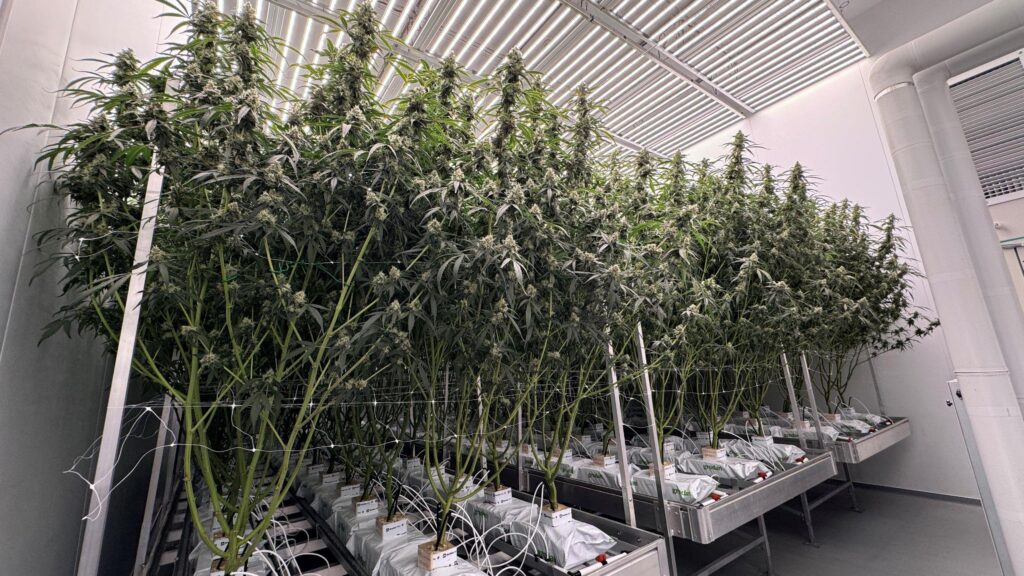
Prescription medical cannabis has been legal in the UK since November 2018, but you’d be forgiven for thinking it barely exists. The NHS has been painfully slow to prescribe it, and most people who qualify end up going through private clinics rather than their GP. That gap between what’s technically available and what’s practically accessible is, honestly, one of the more frustrating stories in recent British healthcare.
The conditions that can be treated are broader than most people realise. Chronic pain, PTSD, anxiety disorders, multiple sclerosis spasticity, epilepsy, and chemotherapy-induced nausea are among the more commonly cited qualifying conditions, but getting a prescription isn’t as simple as rocking up and asking for it. There’s a referral process, medical history reviews, and a specialist consultation involved, which is exactly as it should be.
Why Most People Go Private
The NHS has issued a very small number of cannabis-based medicine prescriptions since legalisation. The reasons are complicated; partly funding issues, partly the cautious nature of the prescribing guidelines, and partly the fact that many GPs just aren’t confident enough in the evidence base to recommend it. Whatever the cause, the result is that thousands of patients who might benefit are effectively pushed toward the private sector.
Private clinics in the UK have expanded considerably over the last few years to meet that demand. A medical cannabis clinic typically works by having patients complete an online eligibility check, followed by a consultation with a specialist doctor who reviews their medical history, previous treatments, and current symptoms. It’s a proper medical process, not a workaround.
Costs vary – initial consultations tend to run somewhere between £50 and £150, and the medication itself can be anywhere from around £80 to several hundred pounds a month depending on the product and dose. That’s not cheap, and it’s a genuine barrier for a lot of people, so there’s a reasonable conversation to be had about why the NHS hasn’t moved faster to bring this in-house, but that’s a much longer article.
What Patients Are Actually Being Prescribed
Medical cannabis products in the UK come in several forms. Oils, capsules, and dried flower (used with a vaporizer rather than smoked) are the most common. The products are standardized, tested, and prescribed at specific doses – this isn’t the same as what someone might buy illegally, and that distinction matters medically. The THC and CBD concentrations are controlled, the supply chain is regulated, and patients get consistent dosing information.
A lot of patients coming to private clinics have already tried multiple conventional treatments that haven’t worked. Chronic pain patients who’ve been through years of opioid prescriptions with limited relief or people with treatment-resistant anxiety who’ve tried several antidepressant classes aren’t people looking for an easy route to something recreational – most of them are just tired of being stuck.
The Stigma Problem
There’s still a weird social awkwardness around medical cannabis in the UK that doesn’t really apply to other prescription medicines. People feel the need to justify themselves in a way they wouldn’t if they were prescribed tramadol or diazepam. The stigma comes from decades of drug policy, not from the medicine itself.
GPs are getting better at engaging with private cannabis prescriptions but some still refuse to share care, which means patients end up managing their cannabis prescription entirely through the private clinic rather than through their usual healthcare relationship. That’s not ideal, as it creates a slightly fragmented picture of someone’s overall treatment, and it puts more pressure on the private clinics to stay across the full picture.
Is It Worth Pursuing?
For some patients, absolutely.
Private clinics do free eligibility checks specifically because it saves everyone’s time if you’re not a suitable candidate before any money changes hands.