
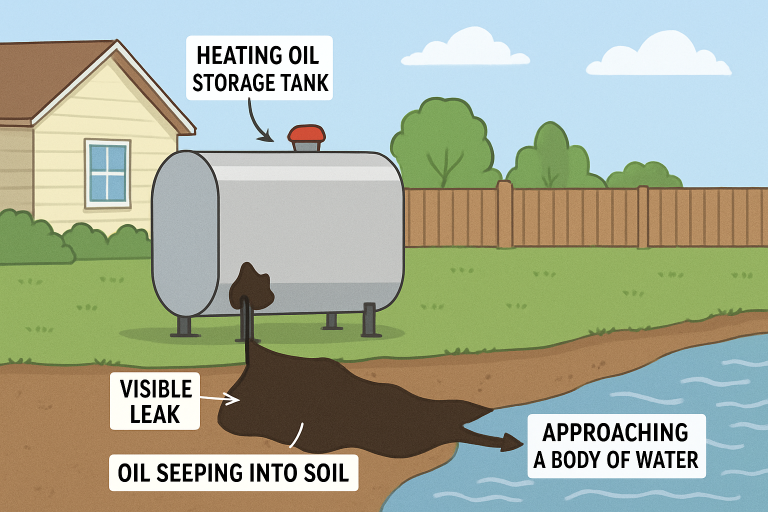
Heating oil is a widely used fuel source for residential heating systems, especially in regions with harsh winters. However, storing heating oil comes with responsibilities. Improperly managed storage tanks can lead to costly environmental contamination, affecting both your home and local ecosystems. Prioritizing safe and compliant oil storage is critical for homeowners who want to avoid property damage and regulatory headaches. Homeowners who require expert guidance or routine inspections can explore reliable oil tank services New Hampton NY, through Tank Masters Environmental Inc., helping ensure that proper installation and long-term maintenance standards are consistently met.
When a heating oil tank deteriorates or malfunctions, even a small leak can have broad and lasting impacts. Groundwater and soil can become contaminated, posing health hazards and legal liabilities for property owners. Understanding the risks involved with heating oil storage and taking clear steps to mitigate those risks, is essential for safeguarding your investment and community resources.
Understanding the Risks of Heating Oil Storage
Heating oil storage tanks, especially those constructed years or decades ago, are susceptible to a range of risks that can escalate over time. If a tank develops an internal leak due to corrosion, the oil can seep into the ground unnoticed until widespread damage has occurred. According to the U.S. Environmental Protection Agency, even a single gallon of spilled oil can contaminate large quantities of water, making environmental cleanup both urgent and expensive.
The financial implications do not stop at environmental remediation. Property values can decrease, and insurance may not cover all associated costs, particularly if negligence is found.
Common Causes of Oil Tank Leaks
- Corrosion: Internal rust is the primary cause of tank leaks, especially as tanks age. The interaction between oil, moisture, and metal leads to gradual thinning and punctures.
- Improper Installation: A tank positioned on uneven or unstable ground can settle unevenly, stressing welds and seams. Inadequate installation may also expose tank components to environmental or vehicular damage.
- Physical Damage: External forces, such as impact from vehicles, shifting soil, or severe weather, can compromise tank integrity and trigger a leak.
Preventative Measures for Safe Oil Storage
The most effective way to prevent environmental hazards linked to heating oil storage is through proactive maintenance and proper tank management. Homeowners should take the following steps:
- Conduct Regular Inspections: Schedule annual inspections for signs of rust, bulging, dents, or leaking, and prioritize professional evaluation if any concerns are detected.
- Ensure Proper Installation: Tanks should rest on stable, level surfaces that are shielded from adverse weather or physical impact.
- Protect Fuel Lines: Equip and regularly check oil lines for protection from physical damage and aging.
Routine inspections are especially critical before the heating season begins. This seasonal approach aligns with state environmental recommendations and helps homeowners address problems proactively.
Environmental and Financial Implications of Leaks
Oil leaks from heating storage tanks can swiftly contaminate soil, threaten drinking water supplies, and disrupt local ecosystems. The cleanup costs can span from $10,000 to $100,000 or even higher, depending on the extent and duration of the leak. Homeowners may also face regulatory fines and potential lawsuits from neighbors or local authorities. The reputational costs, together with potential impacts on community trust, could be long-lasting as well. Seeking timely professional inspections and maintenance support can significantly reduce the likelihood of severe leaks and unexpected remediation expenses.
Regulatory Guidelines and Compliance
State and local governments regulate residential heating oil storage, with some states requiring routine inspection and reporting, particularly ahead of seasonal heating. In New York, the Department of Environmental Conservation recommends that property owners promptly inspect tanks, hoses, and connections for signs of leaks or deterioration before taking oil deliveries each winter. Working with qualified providers that offer oil tank services in New Hampton NY can help homeowners stay aligned with local safety expectations while maintaining proper documentation and preventive care.
Steps to Take in Case of a Leak
If you suspect your oil tank is leaking, taking immediate and correct action is essential:
- Cease Use Immediately: Turn off your heating system to halt further leakage into the ground or home environment.
- Contact Authorities: Alert local environmental and health agencies. For example, New York State residents should call the NYS Spill Hotline to report releases of hazardous materials.
- Hire Professionals: Only certified cleanup experts have the proper tools and knowledge to handle remediation safely and lawfully.
Conclusion
Safeguarding your heating oil storage is crucial for protecting your property as well as your surrounding environment. Regular tank maintenance, compliance with regulatory advice, and prompt action in the event of a problem can mitigate long-term risks and costs. Homeowners who incorporate these best practices ensure not only their own safety but also the broader community’s well-being.