Immediate Actions to Take When Your Vehicle Breaks Down
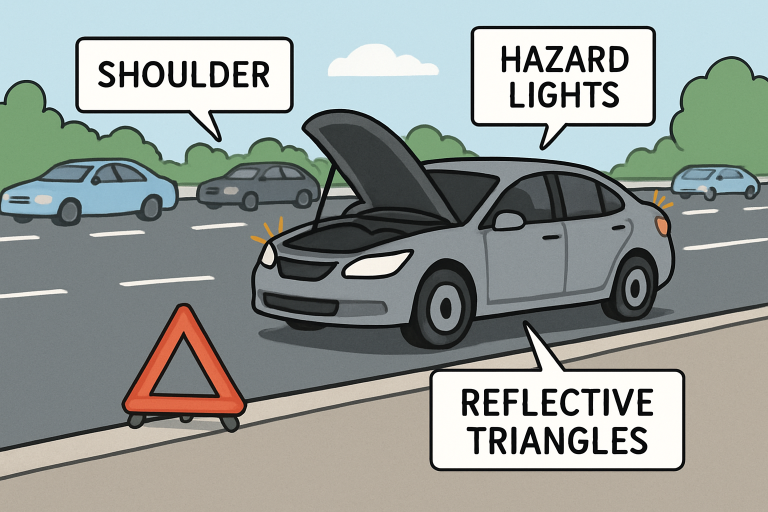
Finding yourself stuck with a vehicle breakdown while surrounded by fast-moving traffic can be unnerving and stressful. For your safety, the first step is to turn on your hazard lights to alert other drivers to your situation. This simple yet effective step significantly increases your visibility and helps avert further accidents. As soon as it is safe, guide your vehicle toward the right shoulder or into an emergency lane. Try to move completely off the driving lanes if possible, since lingering on the roadway increases risk. Never stop in places with limited visibility, such as around curves or before the crest of a hill.
If needed, contacting tug services New Orleans, LA can provide professional assistance to safely tow your vehicle and prevent further hazards.
Once you have maneuvered out of traffic, your focus should be on keeping yourself and your passengers safe while you assess the situation.
Ensuring Personal Safety After Stopping
After you have stopped your car in a safe place, decide whether it is safer to remain inside the vehicle or exit. On highways or heavily trafficked roads, it is generally best to stay inside, keep your seatbelt fastened, and lock your doors. This minimizes exposure to passing vehicles, which may be driving at high speeds. If circumstances make it necessary to get out, such as vehicle smoke, fire, or if assistance arrives, exit from the passenger side, away from traffic, and move to a sheltered area behind a barrier or guardrail. Always be vigilant and aware of the road environment while making your decision.
If you have small children, elderly passengers, or those with disabilities aboard, pay additional attention to their well-being as you decide on the safest next steps. Your situational awareness and careful decision-making are crucial for keeping everyone protected until help arrives.
Making Your Vehicle Visible to Others
Visibility is key to preventing secondary accidents. Do not rely solely on your hazard lights. Raise your vehicle’s hood to signal universal distress, making it easier for other drivers and first responders to identify your need for assistance. If you have reflective warning triangles or road flares, place them about 50 to 100 feet behind your car to create a safer buffer zone between you and oncoming vehicles. These safety measures are vital, especially at night or in low-visibility weather conditions, such as rain or fog. The National Highway Traffic Safety Administration offers more on effective roadside safety gear and its placement, which is worth reviewing for best practices.
If you have small children, elderly passengers, or those with disabilities aboard, pay additional attention to their well-being as you decide on the safest next steps. Your situational awareness and careful decision-making are crucial for keeping everyone protected until help arrives.
Contacting Roadside Assistance
When you and your vehicle are secured, call for professional roadside assistance. Provide precise information about your location, the nature of your breakdown, and your vehicle’s make and color to ensure help arrives swiftly. Consider keeping a roadside assistance provider’s number programmed into your phone or partnering with a service through your auto insurance or credit card company. If you are unsure whom to contact or if the location feels unsafe, calling 911 or the local non-emergency traffic number is a wise choice. Having a pre-established roadside assistance plan often yields faster results and greater peace of mind during such emergencies.
Handling Breakdowns in Adverse Conditions
Challenging weather or the darkness of night significantly increases the risks associated with roadside breakdowns. Always keep your hazard lights on and use reflective devices aggressively to boost your vehicle’s visibility. In circumstances where rain, fog, or snow drastically limits what passing drivers can see, it is best to stay inside your vehicle with your seatbelt fastened until help arrives. Only leave your car if it is absolutely necessary and always exit from the side away from traffic, as recommended by leading authorities. Your safety should always take precedence over concerns for the vehicle itself.
Preventive Measures to Avoid Future Breakdowns
Regular vehicle maintenance is the most effective strategy to prevent unexpected breakdowns. Schedule periodic inspections of key components such as the engine, brakes, tires, and battery. Immediately address any dashboard warning lights or unfamiliar noises, as small issues can quickly escalate. In addition, assemble and keep an emergency kit within easy reach. This kit should include a flashlight, first aid supplies, basic tools, a reflective vest, bottled water, and non-perishable snacks. Preparedness not only prevents problems but also ensures you are ready if they arise.
Legal Considerations and Responsibilities
Different states and cities have their own rules regarding vehicle breakdowns and roadside emergencies. Familiarize yourself with the laws in your area regarding the use of emergency triangles, flares, or reflective vests, as well as requirements for reporting certain incidents. In some places, failing to use proper warning signals or obstructing traffic unnecessarily can result in citations. Being informed and compliant helps keep everyone safer and avoids unnecessary penalties or complications.
Final Thoughts
Vehicle breakdowns are unpredictable and always inconvenient, but your actions in the critical moments after a breakdown make a significant difference. Promptly moving your vehicle out of harm’s way, prioritizing your and your passengers’ safety, and seeking expert assistance are all steps that ensure a safer outcome. Prevention and preparedness further decrease your risks on the road, protecting both you and fellow motorists. By staying calm and following these safety protocols, you help keep streets and highways safer for everyone.