
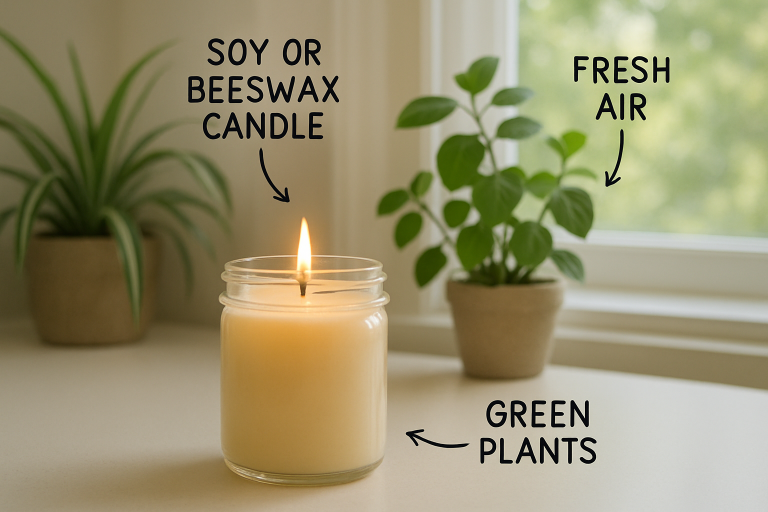
Understanding the Impact of Traditional Candles
Lighting a candle can instantly make your living space feel more inviting, but not all candles are created equally. Traditional candles are often manufactured from paraffin wax, a petroleum-derived material. When burned, these candles can emit toxins such as benzene and toluene into your home’s air, substances that are known to negatively impact respiratory health and overall wellness. For those seeking a safer way to enjoy candlelight, turning to non toxic candles made from natural ingredients is a wise move.
The Environmental Protection Agency (EPA) has identified indoor air pollution as a significant concern, with paraffin-based candles contributing to poor air quality in confined spaces. Inhaling the by-products of burning paraffin wax may aggravate allergies and create unsafe conditions, especially for those with asthma, young children, or the elderly. Non-toxic candles offer a solution, allowing you to enjoy a gentle ambiance without the risks associated with traditional candles.
The Benefits of Non-Toxic Candles
Switching to candles crafted from natural waxes like soy, coconut, or beeswax brings several important benefits. These non-toxic options burn cleaner, significantly reducing soot and indoor air pollution. With each burn, you’ll enjoy better indoor air quality and less worry about breathing in potentially dangerous chemicals.
Natural wax candles, free of synthetic chemicals and common irritants, foster a healthier environment for those with chemical sensitivities, children, and pets. In addition, these candles tend to be more eco-friendly as they are biodegradable, sustainably sourced, and often packaged using earth-conscious materials. Their clean burn can also mean longer-lasting enjoyment and less residue on household surfaces.
According to the EPA, non-toxic candle options help limit your exposure to airborne irritants and create a calmer, safer home environment.
Choosing the Right Non-Toxic Candle
With the wide range of candles on the market, selecting the right non-toxic option requires careful consideration. Start by checking the wax type—choose soy, coconut, or beeswax over paraffin. These natural waxes combust at cooler temperatures, release fewer pollutants, and decompose more easily after use.
Another point to note is the fragrance. Synthetic fragrances can contain phthalates and other potentially harmful chemicals. Opt for candles scented with pure essential oils or labeled as phthalate-free. The wick material also matters. Select candles with cotton or wooden wicks, and avoid those with metal cores that can introduce additional toxins when burned.
Beyond wax and wicks, look for brands that prioritize sustainable sourcing and minimal, recyclable packaging. Brands committed to transparency and eco-friendly practices can further help ensure you bring only the safest and cleanest products into your home.
Proper Candle Maintenance for a Clean Burn
Even the safest candle requires proper care for a truly non-toxic, clean-burning experience. Keep your wick trimmed to about a quarter of an inch to prevent excessive smoke and uneven flames. Allow your candle to burn long enough for the surface to melt evenly, but avoid burning for more than 4 hours at a time to prevent overheating and additional soot buildup. Always burn candles in a well-ventilated area to disperse any minimal pollutants released during use.
Routine maintenance also means storing your candles away from direct sunlight and keeping them free of dust and debris, which can cause uneven burning. By following these care guidelines, you help prolong the life of your candles and reduce excess smoke and waste in your space.
Addressing Common Misconceptions
A common myth is that all candles are bad for air quality. However, studies show that natural, additive-free candles pose no significant health risks when burned according to instructions and with proper precautions. The National Candle Association notes that, when used responsibly, quality candles are safe for most home environments and do not meaningfully degrade indoor air quality.
It is important not to generalize. While paraffin-based and heavily fragranced candles should be used sparingly or avoided, opting for naturally sourced, clean-burning alternatives largely eliminates concerns about harmful emissions in your home.
Creating a Healthier Home Environment
Incorporating non-toxic candles into your daily life is an easy and effective way to prioritize health and comfort. By taking the time to choose products with safer ingredients, you contribute not only to better indoor air quality for yourself and your family but also to a reduced environmental impact. Clean-burning candles can add beauty and tranquility to your home without the hidden hazards of conventional options.
Final Thoughts
Embracing non-toxic, clean-burning candles represents a proactive step toward cultivating a safer, more inviting living space. By prioritizing natural ingredients and engaging in regular candle care, you can enjoy the soothing glow of candlelight with total peace of mind. Make informed choices to support your health and the environment, and let your home glow with wellness each and every day.