

Getting noticed online is more challenging than ever. To improve your website’s presence and attract more organic visitors, leveraging structured data for SEO is one of today’s most reliable tactics. By embedding clear, machine-readable code in your pages, you ensure that search engines truly grasp your message—leading not only to richer listings, but also to a smoother experience for your users.
Structured data acts as a translator between your website and search engines, turning your content into data that’s easy to categorize and display in search results. This means that users are more likely to find the exact information they need, fostering more meaningful engagement each time they visit.
When your website is optimized with structured data, you aren’t just making your pages more attractive in search listings—you’re also future-proofing your content for potential new features, voice searches, and emerging SEO standards. It’s a wise investment for any business seeking to expand its online presence.
Implementing schema markup can also empower you to highlight the most important parts of your content—such as reviews, events, or FAQs—right in the search results, grabbing attention before users even click through.
Staying informed about how modern SEO strategies evolve is key, so consider structured data integration an essential foundation rather than a one-off task.
Understanding Structured Data
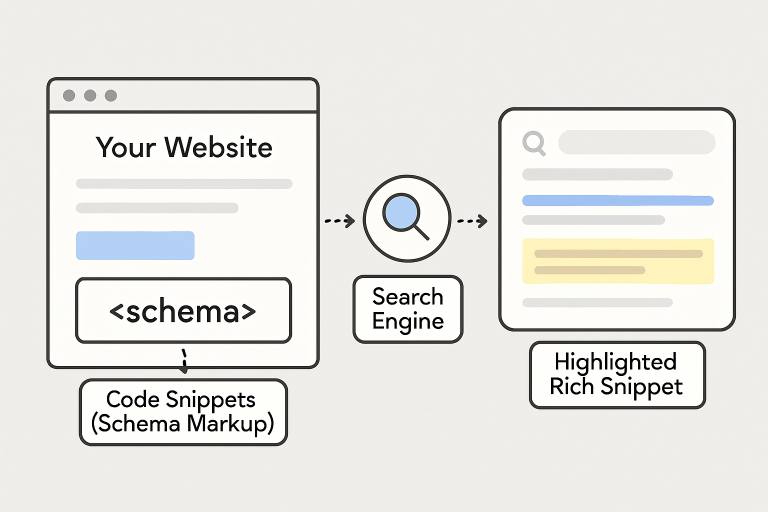
Structured data refers to a standardized format—often written in JSON-LD or Microdata—used to label different types of information on your web pages. By applying this code, you’re telling search engines exactly what’s present—such as recipes, events, articles, or products. When Google better understands your content, it can present it within “rich snippets,” which highlight features like star ratings, prices, product availability, or event times directly on the search page—improving CTR and trust with your audience.
Benefits of Implementing Structured Data
- Enhanced Search Appearance: Rich snippets make your result stand out with visual enhancements such as reviews, pricing, or quick answers, immediately drawing users’ attention.
- Increased Click-Through Rates: Pages with structured data often experience a lift in traffic. For example, HubSpot research shows that listings enhanced with rich snippets can generate over 30% higher CTR than their plain counterparts.
- Better Content Understanding: Schema markup enables search engines, such as Google and Bing, to categorize your site more effectively, making your content easier for users to find in increasingly personalized search experiences.
Common Misconceptions About Structured Data
- Direct Ranking Boost: Google has confirmed that structured data itself will not directly boost your site’s ranking. However, it can improve visibility and engagement, which may, in turn, indirectly influence organic performance.
- Set-and-Forget: Structured data is not a “one and done” fix. Schema guidelines evolve, and as your content changes, your markup must also be updated to remain valid and effective.
Implementing Structured Data: A Step-by-Step Guide
- Choose the Appropriate Schema Type: Before adding markup, select the schema that best matches your content—such as Product, Article, Event, or FAQ. A complete list can be found at Schema.org.
- Use Google’s Structured Data Markup Helper: This tool simplifies the tagging process and helps you generate valid code that can be placed directly on your pages.
- Test Your Markup: Double-check your code using Google’s Rich Results Test before deploying it live. Testing helps you avoid errors that might prevent Google from reading your data correctly.
- Monitor Performance: After implementation, track your pages’ impressions and clicks via Google Search Console to see how your new structured data affects your appearance in search results over time.
Real-World Examples of Structured Data Success
- TripAdvisor: TripAdvisor added schema markup to its hotel review content, resulting in a 30% increase in click-through rates on hotel search listings and a clear edge in a competitive vertical.
- IMDb: After enabling structured data for movie ratings, IMDb enjoyed a 20% increase in overall traffic and a 15% improvement in click-through rates, proving the value of making critical data more visible in search.
Staying Updated with Structured Data Practices
Search trends and structured data standards constantly evolve alongside technology, making it essential for digital marketers to stay informed. Regularly consulting authoritative sources such as the Google Search Central Blog and other top industry publications ensures that your SEO strategies and structured data implementations remain up to date and compliant with current best practices. Neglecting these updates can lead to reduced visibility or indexing issues. By incorporating ongoing monitoring and maintenance into your workflow, you can optimize your website effectively, adapt to algorithm changes, and achieve long-term, sustainable success in search engine performance.
Conclusion
The digital competition for attention is fierce, but structured data provides your brand a legitimate opportunity to stand out more prominently in search results. By providing search engines with the right cues through accurate schema markup, you make your content more accessible, informative, and ultimately more likely to convert visitors into loyal customers. Treat structured data not just as a technical fix, but as a long-term investment in the clarity, reach, and future growth of your website.